


Start Slideshow


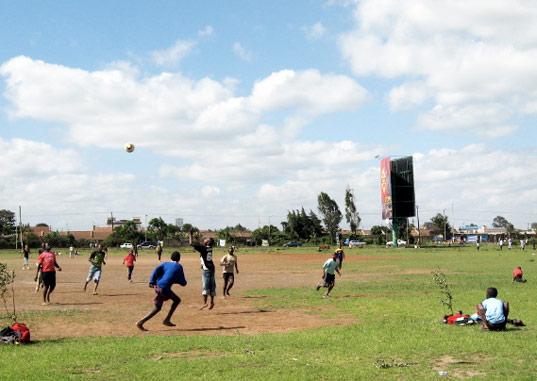
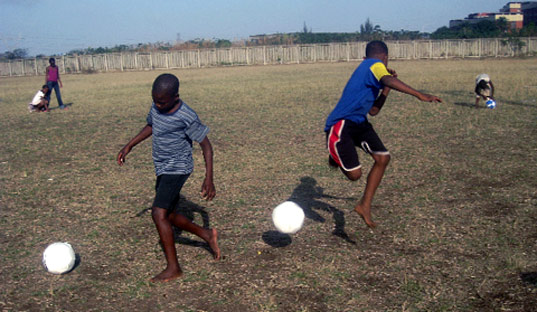
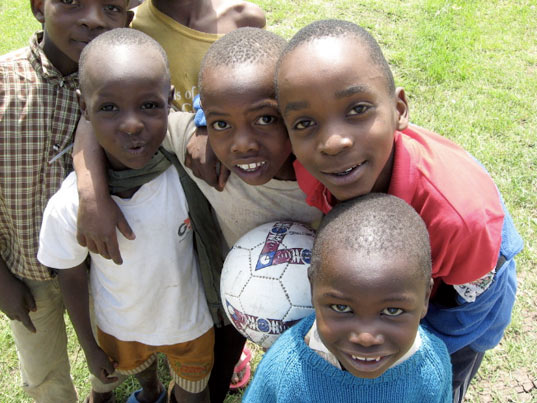

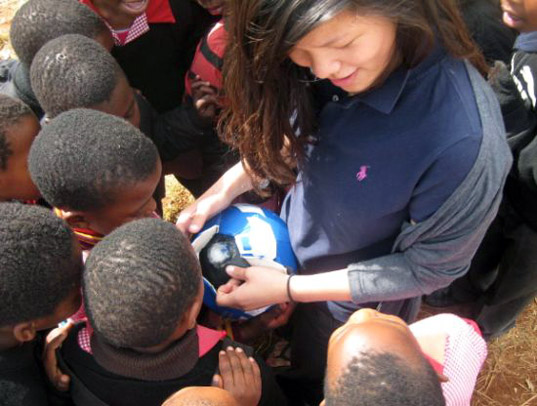
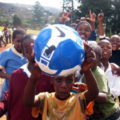 Soccket prototype in Durban, South AfricaWhen the sun goes down many developing countries rely upon dangerous kerosene lamps, which emit hazardous fumes and generate <b>190 million metric tons</b> of CO2 each year. Seeking an eco-friendly alternative to this trend, four Harvard engineering students developed the Soccket - a soccer ball that generates and stores electricity during play. Soccer is found in just about every African country, so the energy-generating ball has great potential to encourage healthy activity while producing clean electricity to light up the night.1
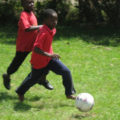 Photo from Soccket's study of soccer play in Nairobi, KenyaWhen the sun goes down many developing countries rely upon dangerous kerosene lamps, which emit hazardous fumes and generate <b>190 million metric tons</b> of CO2 each year. Seeking an eco-friendly alternative to this trend, four Harvard engineering students developed the Soccket - a soccer ball that generates and stores electricity during play. Soccer is found in just about every African country, so the energy-generating ball has great potential to encourage healthy activity while producing clean electricity to light up the night.2
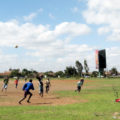 Photo from Soccket's study of soccer play in Nairobi, KenyaWhen the sun goes down many developing countries rely upon dangerous kerosene lamps, which emit hazardous fumes and generate <b>190 million metric tons</b> of CO2 each year. Seeking an eco-friendly alternative to this trend, four Harvard engineering students developed the Soccket - a soccer ball that generates and stores electricity during play. Soccer is found in just about every African country, so the energy-generating ball has great potential to encourage healthy activity while producing clean electricity to light up the night.3
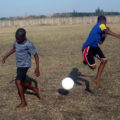 Photo from Soccket's study of soccer play in Nairobi, KenyaWhen the sun goes down many developing countries rely upon dangerous kerosene lamps, which emit hazardous fumes and generate <b>190 million metric tons</b> of CO2 each year. Seeking an eco-friendly alternative to this trend, four Harvard engineering students developed the Soccket - a soccer ball that generates and stores electricity during play. Soccer is found in just about every African country, so the energy-generating ball has great potential to encourage healthy activity while producing clean electricity to light up the night.4
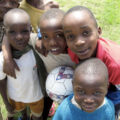 Photo from Soccket's study of soccer play in Nairobi, KenyaWhen the sun goes down many developing countries rely upon dangerous kerosene lamps, which emit hazardous fumes and generate <b>190 million metric tons</b> of CO2 each year. Seeking an eco-friendly alternative to this trend, four Harvard engineering students developed the Soccket - a soccer ball that generates and stores electricity during play. Soccer is found in just about every African country, so the energy-generating ball has great potential to encourage healthy activity while producing clean electricity to light up the night.5
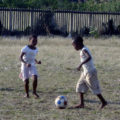 Photo from Soccket's study of soccer play in Nairobi, KenyaWhen the sun goes down many developing countries rely upon dangerous kerosene lamps, which emit hazardous fumes and generate <b>190 million metric tons</b> of CO2 each year. Seeking an eco-friendly alternative to this trend, four Harvard engineering students developed the Soccket - a soccer ball that generates and stores electricity during play. Soccer is found in just about every African country, so the energy-generating ball has great potential to encourage healthy activity while producing clean electricity to light up the night.6
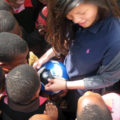 Soccket prototype in Durban, South AfricaWhen the sun goes down many developing countries rely upon dangerous kerosene lamps, which emit hazardous fumes and generate <b>190 million metric tons</b> of CO2 each year. Seeking an eco-friendly alternative to this trend, four Harvard engineering students developed the Soccket - a soccer ball that generates and stores electricity during play. Soccer is found in just about every African country, so the energy-generating ball has great potential to encourage healthy activity while producing clean electricity to light up the night.7
