


Start Slideshow

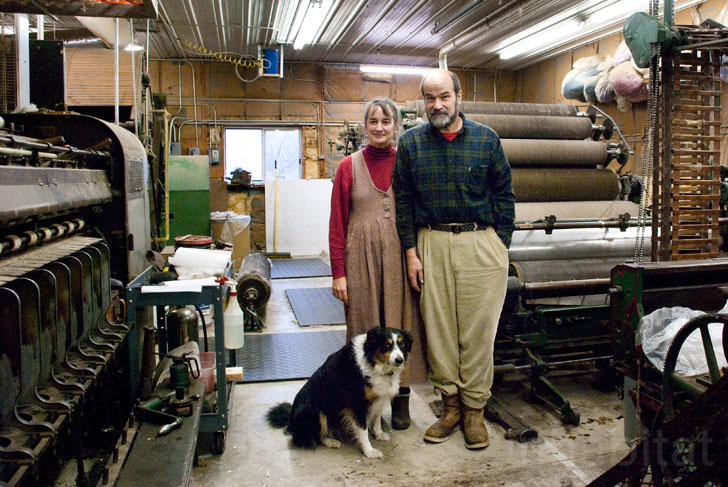




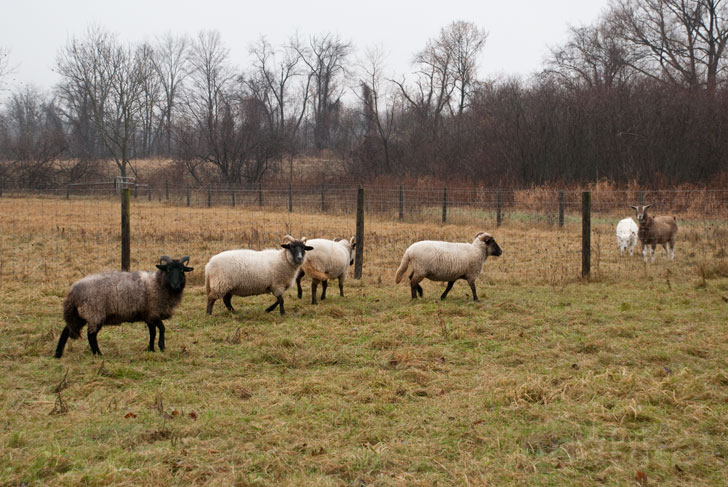
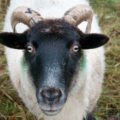 Fingerlakes Woolen MillIn 2001, a couple with science backgrounds were looking for a small business in a rural location when they came across an ad in a county journal. Discovering the ad was for an old wool mill in <a href="http://en.wikipedia.org/wiki/Genoa,_New_York">Genoa, New York</a>, they took the opportunity to take over operations from the previous owners. After a week of on-site training, they found themselves on a whole new adventure in life. Now with 14 <a href="http://www.fingerlakes-yarns.com/HogIslandSheep.php">Hog Island Sheep</a>, 29 chickens, several goats, and a cow, Jay Ardai and Suzanne O'Hara run the <a href="http://www.fingerlakes-yarns.com/index.php">Fingerlakes Woolen Mill</a>, a sustainable operation that functions in a local context and produces beautiful, natural fibers that many eco-minded New York designers use in their work.1
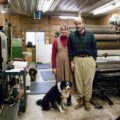 Fingerlakes Woolen MillSuzanne had been a fiber hobbyist and Jay knew how to knit but neither envisioned running a mill.2
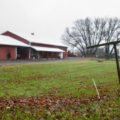 Fingerlakes Woolen MillThey happened upon the mill for sale in a local journal. It is located in Genoa, New York.3
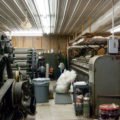 Fingerlakes Woolen MillThe Horschler family, the former owners, had run the mill since the 1970s as a phone order business for wool hobbyists.4
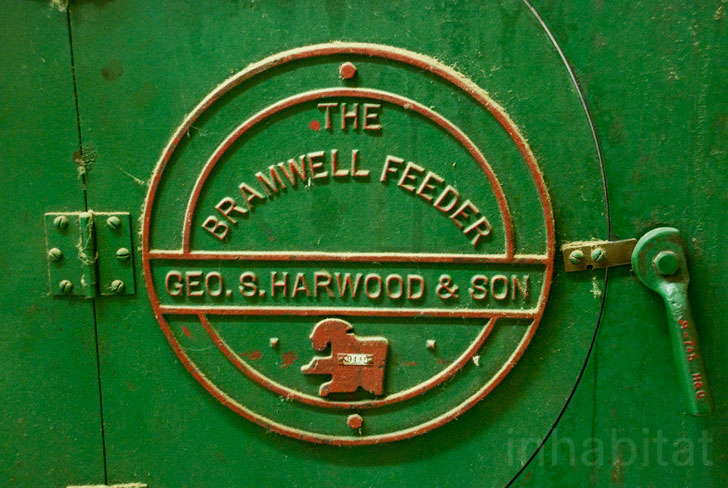
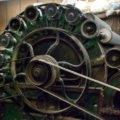 Fingerlakes Woolen MillMost of the equipment came from New England textile mills that moved south in the 1950s and 60s. The machines were originally water and steam powered but had been adapted to use electricity.5
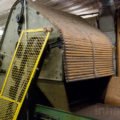 Fingerlakes Woolen MillThe heavy duty machines are exquisitely maintained with their steal, wooden and leather parts still working perfectly.6
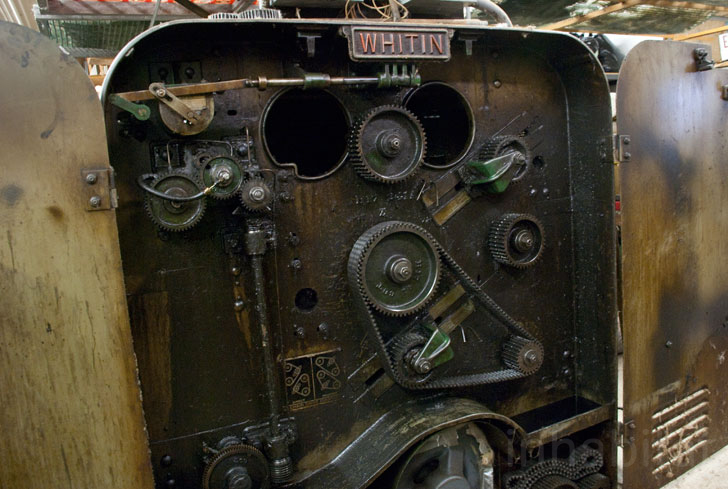
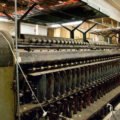 Fingerlakes Woolen MillThe spinning machine itself is a site to see. The 120 spinners have to be individually loaded and if one strand breaks, the whole machine has to be stopped.7
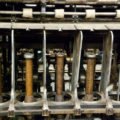 Fingerlakes Woolen MillWooden spindles are still used.8
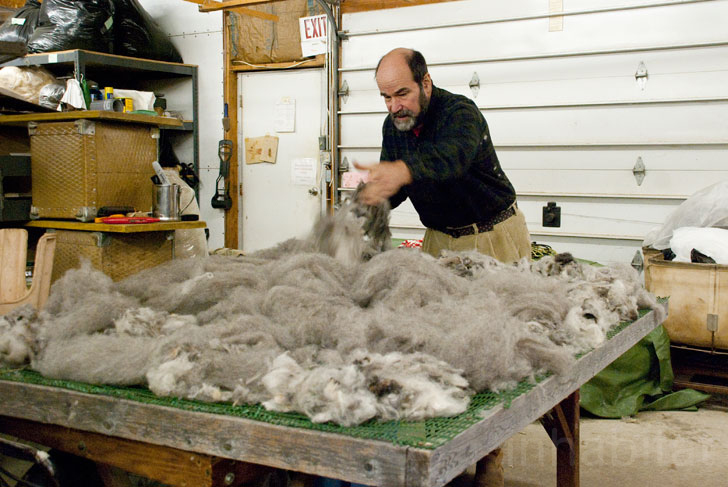
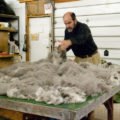 Fingerlakes Woolen MillWhen Jay and Suzanne took over the farm, they began processing raw fleece for farmers and hobbyists.9
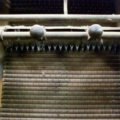 Fingerlakes Woolen MillThe opener machine is from 1925. Raw fleece is pulled apart and hay and vegetable matter are removed.10
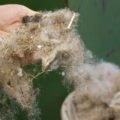 Fingerlakes Woolen MillHay and vegetable matter are shattered by a series of corrugated rollers that leave the fibers in tact.11
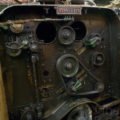 Fingerlakes Woolen MillWhitin was a Massachusetts based company that produced the spinning machine. It moved south but remains in business.12
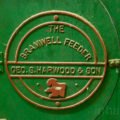 Fingerlakes Woolen MillThe old machines add to the mill's character and history.13
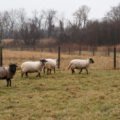 Fingerlakes Woolen MillSuzanne and Jay maintain a small flock of 14 Hog Island sheep. They were some of the first of their breed to arrive in New York State and are closely monitored by the American Livestock Breeds Conservancy.14
