


Start Slideshow


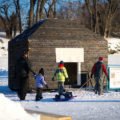 smokehouseAamodt Plumb Architects, a young design studio based in Cambridge, Massachusetts, saw its second completed project built this January along The River Trail at The Forks in Winnipeg, Manitoba. The firm’s Smokehouse, a collaboration with felt artist Rebecca Howdeshell, was one of three winning entries to The Warming Huts v.2013: An Art + Architecture Competition on Ice. Jury members selected designs that best “push the envelope of design, craft and art” in an open competition that drew over 100 entries. Their winning design responds to the harsh winter conditions of The River Trail by employing natural materials and primitive building methods to create a unique space that provides shelter and warmth.1
 smokehouseAamodt Plumb Architects, a young design studio based in Cambridge, Massachusetts, saw its second completed project built this January along The River Trail at The Forks in Winnipeg, Manitoba. The firm’s Smokehouse, a collaboration with felt artist Rebecca Howdeshell, was one of three winning entries to The Warming Huts v.2013: An Art + Architecture Competition on Ice. Jury members selected designs that best “push the envelope of design, craft and art” in an open competition that drew over 100 entries. Their winning design responds to the harsh winter conditions of The River Trail by employing natural materials and primitive building methods to create a unique space that provides shelter and warmth.2
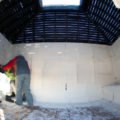 smokehouseAamodt Plumb Architects, a young design studio based in Cambridge, Massachusetts, saw its second completed project built this January along The River Trail at The Forks in Winnipeg, Manitoba. The firm’s Smokehouse, a collaboration with felt artist Rebecca Howdeshell, was one of three winning entries to The Warming Huts v.2013: An Art + Architecture Competition on Ice. Jury members selected designs that best “push the envelope of design, craft and art” in an open competition that drew over 100 entries. Their winning design responds to the harsh winter conditions of The River Trail by employing natural materials and primitive building methods to create a unique space that provides shelter and warmth.3

