


Start Slideshow

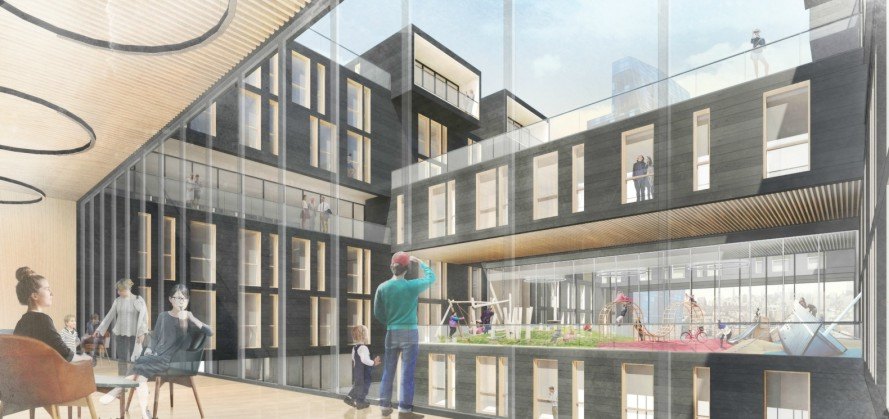
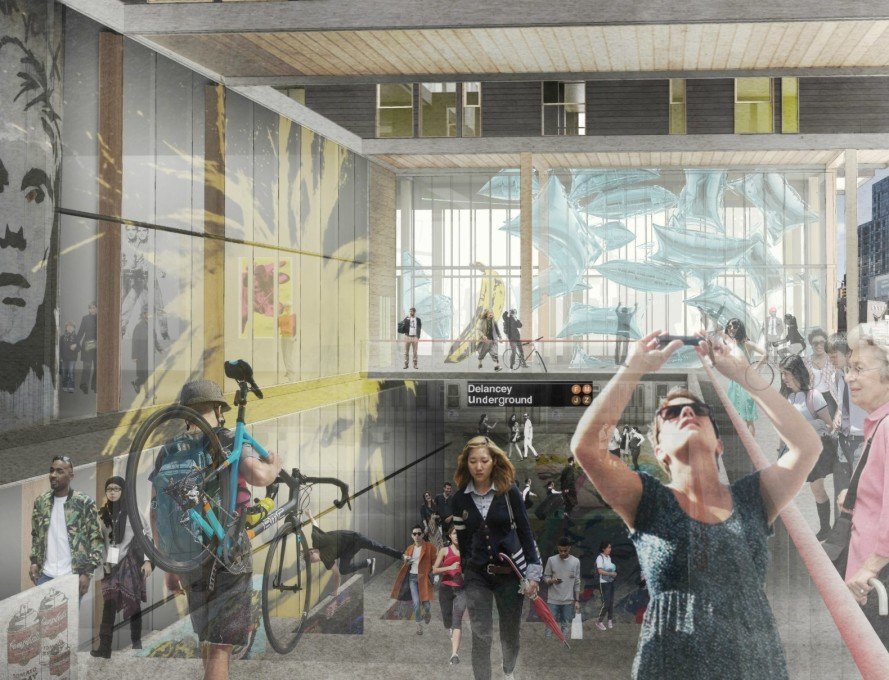


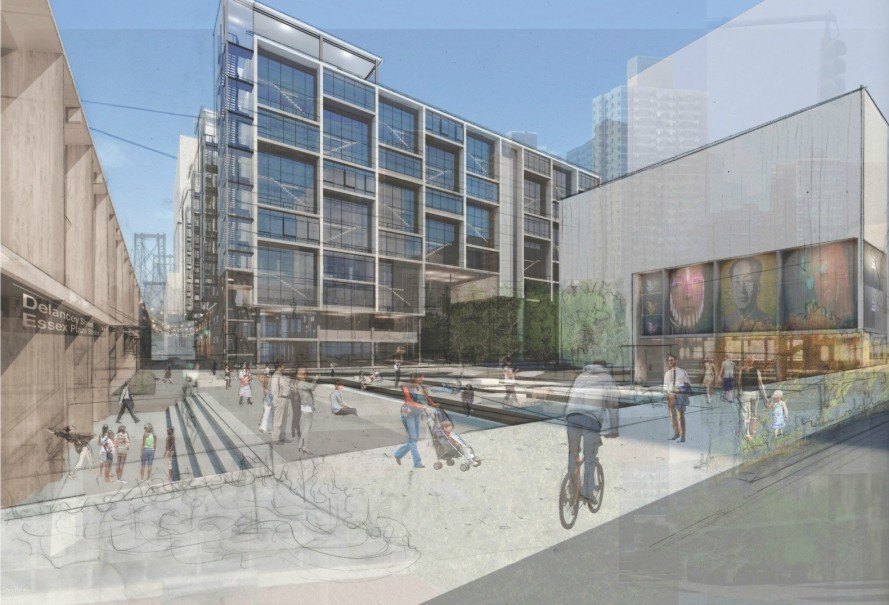

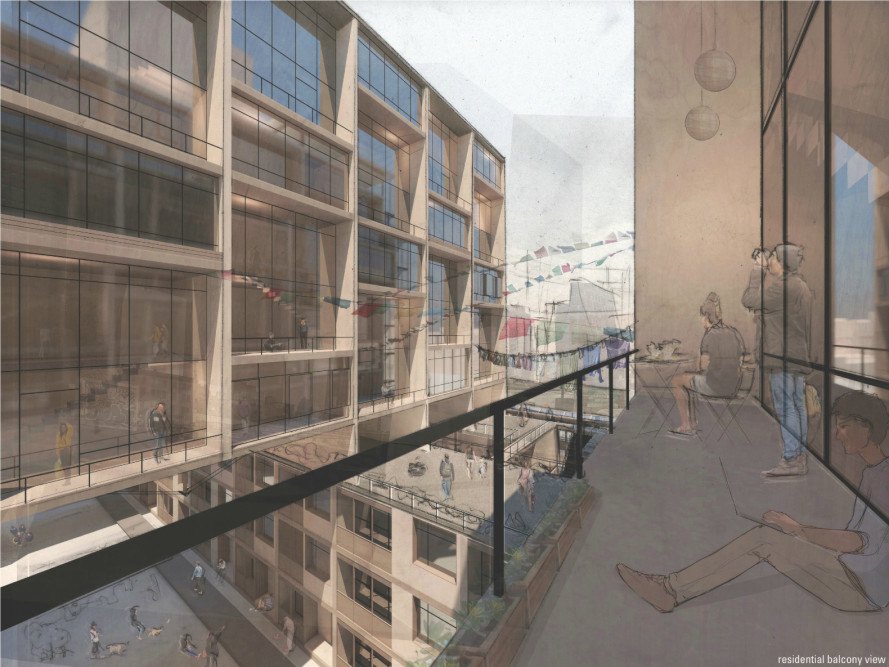
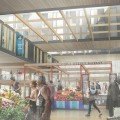 Stack Exchange<a href="http://inhabitat.com/tag/timber/">Timber</a> has been having a renaissance moment lately, with contests like the <a href="http://www.acsa-arch.org/programs-events/competitions/2015-2016-timber-in-the-city">Timber in the City: Urban Habitat Competition</a> doing their part to promote the natural building material as a sustainable building element in urban areas. This year's winning design, <a href="http://www.acsa-arch.org/programs-events/competitions/2015-2016-timber-in-the-city/2015-16-timber-winners/2015-16-timber-first-place">Stack Exchange</a>, envisions a futuristic, multi-dimensional community on NYC's Lower East Side composed of volumes of timber stacked strategically to provide ample residential space and communal areas for <a href="http://inhabitat.com/tag/urban-farming/">urban farming</a>.1
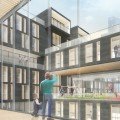 Stack ExchangeThe stacking method would be used to create voids in the structures that permit daylight, ventilation, and private and semiprivate amenity spaces within the community.2
 Stack ExchangeUsing a traditional lumber drying process as inspiration for the design proposal, timber housing bars would be stacked alternately and rotate 90 degrees.3
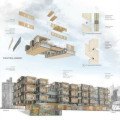 Stack ExchangeTo address the city's lack of affordable housing, the design proposes double the units required by the competition.4
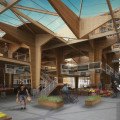 Timber in the City CompetitionHybrid Domains by University of Oregon came in second place in the competition.5
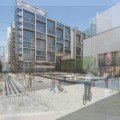 Timber in the City CompetitionThird place design, Grid + Grain, by the University of Washington.Washington.6
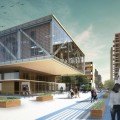 Timber in the City CompetitionHybrid Domains by University of Oregon came in second place in the competition.7
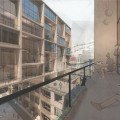 Timber in the City CompetitionThird place design, Grid + Grain, by the University of Washington.8
