


Start Slideshow


 Hova Fabric Pots Hazel Frusto StyleWhether you have a certified green thumb or simply good, green intentions, Hova Design has created an innovative way for you to grow-your-own container plants with horticultural savviness and eco-ease. The FabricPot™ collection consists of collapsible, shipping-friendly containers made from waterproof, breathable fabric (much like that used in high-tech performance clothing). FabricPot’s expandable ‘sleeves’ rely on the volume of soil for stability, while also allowing air and water vapor to pass through the container walls, maximizing the health and gradual expansion of the plant’s root systems....<br><br><a href='https://inhabitat.com/hova-design-sustainable-fabricpot-containers/'>READ ARTICLE</a>1
 Hova Fabric Pot CollapsedWhether you have a certified green thumb or simply good, green intentions, Hova Design has created an innovative way for you to grow-your-own container plants with horticultural savviness and eco-ease. The FabricPot™ collection consists of collapsible, shipping-friendly containers made from waterproof, breathable fabric (much like that used in high-tech performance clothing). FabricPot’s expandable ‘sleeves’ rely on the volume of soil for stability, while also allowing air and water vapor to pass through the container walls, maximizing the health and gradual expansion of the plant’s root systems....<br><br><a href='https://inhabitat.com/hova-design-sustainable-fabricpot-containers/'>READ ARTICLE</a>2
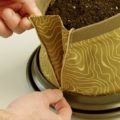 Hova Fabric Pot with zipperWhether you have a certified green thumb or simply good, green intentions, Hova Design has created an innovative way for you to grow-your-own container plants with horticultural savviness and eco-ease. The FabricPot™ collection consists of collapsible, shipping-friendly containers made from waterproof, breathable fabric (much like that used in high-tech performance clothing). FabricPot’s expandable ‘sleeves’ rely on the volume of soil for stability, while also allowing air and water vapor to pass through the container walls, maximizing the health and gradual expansion of the plant’s root systems....<br><br><a href='https://inhabitat.com/hova-design-sustainable-fabricpot-containers/'>READ ARTICLE</a>3
 Hova Design Fabric Pot Trio with ZipperWhether you have a certified green thumb or simply good, green intentions, Hova Design has created an innovative way for you to grow-your-own container plants with horticultural savviness and eco-ease. The FabricPot™ collection consists of collapsible, shipping-friendly containers made from waterproof, breathable fabric (much like that used in high-tech performance clothing). FabricPot’s expandable ‘sleeves’ rely on the volume of soil for stability, while also allowing air and water vapor to pass through the container walls, maximizing the health and gradual expansion of the plant’s root systems....<br><br><a href='https://inhabitat.com/hova-design-sustainable-fabricpot-containers/'>READ ARTICLE</a>4
 Hova Design Fabric Pot DuoWhether you have a certified green thumb or simply good, green intentions, Hova Design has created an innovative way for you to grow-your-own container plants with horticultural savviness and eco-ease. The FabricPot™ collection consists of collapsible, shipping-friendly containers made from waterproof, breathable fabric (much like that used in high-tech performance clothing). FabricPot’s expandable ‘sleeves’ rely on the volume of soil for stability, while also allowing air and water vapor to pass through the container walls, maximizing the health and gradual expansion of the plant’s root systems....<br><br><a href='https://inhabitat.com/hova-design-sustainable-fabricpot-containers/'>READ ARTICLE</a>5
 Hova Design Fabric Pot Rootball imageWhether you have a certified green thumb or simply good, green intentions, Hova Design has created an innovative way for you to grow-your-own container plants with horticultural savviness and eco-ease. The FabricPot™ collection consists of collapsible, shipping-friendly containers made from waterproof, breathable fabric (much like that used in high-tech performance clothing). FabricPot’s expandable ‘sleeves’ rely on the volume of soil for stability, while also allowing air and water vapor to pass through the container walls, maximizing the health and gradual expansion of the plant’s root systems....<br><br><a href='https://inhabitat.com/hova-design-sustainable-fabricpot-containers/'>READ ARTICLE</a>6
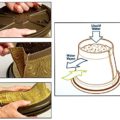 Hova Fabric Pots process diagramWhether you have a certified green thumb or simply good, green intentions, Hova Design has created an innovative way for you to grow-your-own container plants with horticultural savviness and eco-ease. The FabricPot™ collection consists of collapsible, shipping-friendly containers made from waterproof, breathable fabric (much like that used in high-tech performance clothing). FabricPot’s expandable ‘sleeves’ rely on the volume of soil for stability, while also allowing air and water vapor to pass through the container walls, maximizing the health and gradual expansion of the plant’s root systems....<br><br><a href='https://inhabitat.com/hova-design-sustainable-fabricpot-containers/'>READ ARTICLE</a>7
