


Start Slideshow



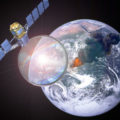 NASA Magnifying GLassEarly this morning NASA kicked off Operation LENS, an ambitious plan to concentrate and collect solar power using a giant magnifying glass in outer space. Long speculated to be a rumor, the <b>7,000,000 ft. wide</b> lens was fabricated over the course of the past 3 years and launched from Cape Canaveral, piggybacking on this thing that they were going to launch anyway (they figured they might as well kill 2 birds with one stone). While the first phase went exactly as planned, the plan hit a major snag when the magnifying glass began to work a bit too well and ended up scorching large regions in the western hemisphere. When asked to comment, premier magnifying lens science researcher Byron Scott said simply, "I told them so."1
 Scientist Byron ScottEarly this morning NASA kicked off Operation LENS, an ambitious plan to concentrate and collect solar power using a giant magnifying glass in outer space. Long speculated to be a rumor, the <b>7,000,000 ft. wide</b> lens was fabricated over the course of the past 3 years and launched from Cape Canaveral, piggybacking on this thing that they were going to launch anyway (they figured they might as well kill 2 birds with one stone). While the first phase went exactly as planned, the plan hit a major snag when the magnifying glass began to work a bit too well and ended up scorching large regions in the western hemisphere. When asked to comment, premier magnifying lens science researcher Byron Scott said simply, "I told them so."2
 Gehry McmansionEarly this morning NASA kicked off Operation LENS, an ambitious plan to concentrate and collect solar power using a giant magnifying glass in outer space. Long speculated to be a rumor, the <b>7,000,000 ft. wide</b> lens was fabricated over the course of the past 3 years and launched from Cape Canaveral, piggybacking on this thing that they were going to launch anyway (they figured they might as well kill 2 birds with one stone). While the first phase went exactly as planned, the plan hit a major snag when the magnifying glass began to work a bit too well and ended up scorching large regions in the western hemisphere. When asked to comment, premier magnifying lens science researcher Byron Scott said simply, "I told them so."3
