


Start Slideshow


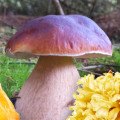 3 Edible Mushrooms You Can Forage YourselfThere's no better way to enjoy rainy weather than to break out your Wellies and go mushroom-hunting in the forest. Mushrooms are a healthy addition to your diet and are loaded with important vitamins and minerals that are hard to find in plant food such as Vitamin D, B Vitamins, Selenium, Potassium, Copper and Beta-Glucans, which are important for your immune system. Of course you can find common button mushrooms, cremini and portobello (which are all just different sizes/colors of the same species) in your local supermarket, and you can grow your own oyster mushrooms, but it's a lot more fun to forage for your own exotic fungi! Many delicious species such as chanterelles, cauliflower mushrooms, truffles and porcini can only be found through foraging, since they are not grown commercially. Some people are scared of the idea of mushroom foraging, since there are deadly mushrooms that can kill you with one bite. But don't fear - there are several types of mushrooms that are perfect for beginner foragers since they're unique and easy-to-identify, with few or no poisonous look-alikes. Read on to discover three types of easy-to-identify mushrooms for beginner foragers.1
 Guide to mushroom foragingThere's no better way to enjoy rainy weather than to break out your Wellies and go mushroom-hunting in the forest. Mushrooms are a healthy addition to your diet and are loaded with important vitamins and minerals that are hard to find in plant food such as Vitamin D, B Vitamins, Selenium, Potassium, Copper and Beta-Glucans, which are important for your immune system. Of course you can find common button mushrooms, cremini and portobello (which are all just different sizes/colors of the same species) in your local supermarket, and you can grow your own oyster mushrooms, but it's a lot more fun to forage for your own exotic fungi! Many delicious species such as chanterelles, cauliflower mushrooms, truffles and porcini can only be found through foraging, since they are not grown commercially. Some people are scared of the idea of mushroom foraging, since there are deadly mushrooms that can kill you with one bite. But don't fear - there are several types of mushrooms that are perfect for beginner foragers since they're unique and easy-to-identify, with few or no poisonous look-alikes. Read on to discover three types of easy-to-identify mushrooms for beginner foragers.2
 Mushroom Warning: Deadly Toxic Death Cap MushroomThere's no better way to enjoy rainy weather than to break out your Wellies and go mushroom-hunting in the forest. Mushrooms are a healthy addition to your diet and are loaded with important vitamins and minerals that are hard to find in plant food such as Vitamin D, B Vitamins, Selenium, Potassium, Copper and Beta-Glucans, which are important for your immune system. Of course you can find common button mushrooms, cremini and portobello (which are all just different sizes/colors of the same species) in your local supermarket, and you can grow your own oyster mushrooms, but it's a lot more fun to forage for your own exotic fungi! Many delicious species such as chanterelles, cauliflower mushrooms, truffles and porcini can only be found through foraging, since they are not grown commercially. Some people are scared of the idea of mushroom foraging, since there are deadly mushrooms that can kill you with one bite. But don't fear - there are several types of mushrooms that are perfect for beginner foragers since they're unique and easy-to-identify, with few or no poisonous look-alikes. Read on to discover three types of easy-to-identify mushrooms for beginner foragers.3
 Little Brown Mushrooms: Little Brown, Throw it DownThere's no better way to enjoy rainy weather than to break out your Wellies and go mushroom-hunting in the forest. Mushrooms are a healthy addition to your diet and are loaded with important vitamins and minerals that are hard to find in plant food such as Vitamin D, B Vitamins, Selenium, Potassium, Copper and Beta-Glucans, which are important for your immune system. Of course you can find common button mushrooms, cremini and portobello (which are all just different sizes/colors of the same species) in your local supermarket, and you can grow your own oyster mushrooms, but it's a lot more fun to forage for your own exotic fungi! Many delicious species such as chanterelles, cauliflower mushrooms, truffles and porcini can only be found through foraging, since they are not grown commercially. Some people are scared of the idea of mushroom foraging, since there are deadly mushrooms that can kill you with one bite. But don't fear - there are several types of mushrooms that are perfect for beginner foragers since they're unique and easy-to-identify, with few or no poisonous look-alikes. Read on to discover three types of easy-to-identify mushrooms for beginner foragers.4
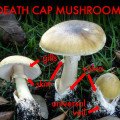 Identifying guide to Deatch Cap mushroomsThere's no better way to enjoy rainy weather than to break out your Wellies and go mushroom-hunting in the forest. Mushrooms are a healthy addition to your diet and are loaded with important vitamins and minerals that are hard to find in plant food such as Vitamin D, B Vitamins, Selenium, Potassium, Copper and Beta-Glucans, which are important for your immune system. Of course you can find common button mushrooms, cremini and portobello (which are all just different sizes/colors of the same species) in your local supermarket, and you can grow your own oyster mushrooms, but it's a lot more fun to forage for your own exotic fungi! Many delicious species such as chanterelles, cauliflower mushrooms, truffles and porcini can only be found through foraging, since they are not grown commercially. Some people are scared of the idea of mushroom foraging, since there are deadly mushrooms that can kill you with one bite. But don't fear - there are several types of mushrooms that are perfect for beginner foragers since they're unique and easy-to-identify, with few or no poisonous look-alikes. Read on to discover three types of easy-to-identify mushrooms for beginner foragers.5
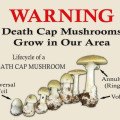 Death Cap Mushroom Warning: Deadly Toxic Death Cap MushroomThere's no better way to enjoy rainy weather than to break out your Wellies and go mushroom-hunting in the forest. Mushrooms are a healthy addition to your diet and are loaded with important vitamins and minerals that are hard to find in plant food such as Vitamin D, B Vitamins, Selenium, Potassium, Copper and Beta-Glucans, which are important for your immune system. Of course you can find common button mushrooms, cremini and portobello (which are all just different sizes/colors of the same species) in your local supermarket, and you can grow your own oyster mushrooms, but it's a lot more fun to forage for your own exotic fungi! Many delicious species such as chanterelles, cauliflower mushrooms, truffles and porcini can only be found through foraging, since they are not grown commercially. Some people are scared of the idea of mushroom foraging, since there are deadly mushrooms that can kill you with one bite. But don't fear - there are several types of mushrooms that are perfect for beginner foragers since they're unique and easy-to-identify, with few or no poisonous look-alikes. Read on to discover three types of easy-to-identify mushrooms for beginner foragers.6
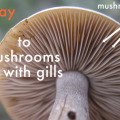 How to avoid poisonous mushroomsThere's no better way to enjoy rainy weather than to break out your Wellies and go mushroom-hunting in the forest. Mushrooms are a healthy addition to your diet and are loaded with important vitamins and minerals that are hard to find in plant food such as Vitamin D, B Vitamins, Selenium, Potassium, Copper and Beta-Glucans, which are important for your immune system. Of course you can find common button mushrooms, cremini and portobello (which are all just different sizes/colors of the same species) in your local supermarket, and you can grow your own oyster mushrooms, but it's a lot more fun to forage for your own exotic fungi! Many delicious species such as chanterelles, cauliflower mushrooms, truffles and porcini can only be found through foraging, since they are not grown commercially. Some people are scared of the idea of mushroom foraging, since there are deadly mushrooms that can kill you with one bite. But don't fear - there are several types of mushrooms that are perfect for beginner foragers since they're unique and easy-to-identify, with few or no poisonous look-alikes. Read on to discover three types of easy-to-identify mushrooms for beginner foragers.7
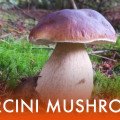 Porcini Mushroom, King BoleteThere's no better way to enjoy rainy weather than to break out your Wellies and go mushroom-hunting in the forest. Mushrooms are a healthy addition to your diet and are loaded with important vitamins and minerals that are hard to find in plant food such as Vitamin D, B Vitamins, Selenium, Potassium, Copper and Beta-Glucans, which are important for your immune system. Of course you can find common button mushrooms, cremini and portobello (which are all just different sizes/colors of the same species) in your local supermarket, and you can grow your own oyster mushrooms, but it's a lot more fun to forage for your own exotic fungi! Many delicious species such as chanterelles, cauliflower mushrooms, truffles and porcini can only be found through foraging, since they are not grown commercially. Some people are scared of the idea of mushroom foraging, since there are deadly mushrooms that can kill you with one bite. But don't fear - there are several types of mushrooms that are perfect for beginner foragers since they're unique and easy-to-identify, with few or no poisonous look-alikes. Read on to discover three types of easy-to-identify mushrooms for beginner foragers.8
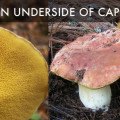 How to identify a bolete mushroomThere's no better way to enjoy rainy weather than to break out your Wellies and go mushroom-hunting in the forest. Mushrooms are a healthy addition to your diet and are loaded with important vitamins and minerals that are hard to find in plant food such as Vitamin D, B Vitamins, Selenium, Potassium, Copper and Beta-Glucans, which are important for your immune system. Of course you can find common button mushrooms, cremini and portobello (which are all just different sizes/colors of the same species) in your local supermarket, and you can grow your own oyster mushrooms, but it's a lot more fun to forage for your own exotic fungi! Many delicious species such as chanterelles, cauliflower mushrooms, truffles and porcini can only be found through foraging, since they are not grown commercially. Some people are scared of the idea of mushroom foraging, since there are deadly mushrooms that can kill you with one bite. But don't fear - there are several types of mushrooms that are perfect for beginner foragers since they're unique and easy-to-identify, with few or no poisonous look-alikes. Read on to discover three types of easy-to-identify mushrooms for beginner foragers.9
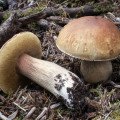 Porcini Mushroom, Boletus Edulis, King BoleteThere's no better way to enjoy rainy weather than to break out your Wellies and go mushroom-hunting in the forest. Mushrooms are a healthy addition to your diet and are loaded with important vitamins and minerals that are hard to find in plant food such as Vitamin D, B Vitamins, Selenium, Potassium, Copper and Beta-Glucans, which are important for your immune system. Of course you can find common button mushrooms, cremini and portobello (which are all just different sizes/colors of the same species) in your local supermarket, and you can grow your own oyster mushrooms, but it's a lot more fun to forage for your own exotic fungi! Many delicious species such as chanterelles, cauliflower mushrooms, truffles and porcini can only be found through foraging, since they are not grown commercially. Some people are scared of the idea of mushroom foraging, since there are deadly mushrooms that can kill you with one bite. But don't fear - there are several types of mushrooms that are perfect for beginner foragers since they're unique and easy-to-identify, with few or no poisonous look-alikes. Read on to discover three types of easy-to-identify mushrooms for beginner foragers.10
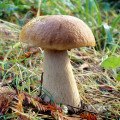 The Porcini Mushroom, or King BoleteThere's no better way to enjoy rainy weather than to break out your Wellies and go mushroom-hunting in the forest. Mushrooms are a healthy addition to your diet and are loaded with important vitamins and minerals that are hard to find in plant food such as Vitamin D, B Vitamins, Selenium, Potassium, Copper and Beta-Glucans, which are important for your immune system. Of course you can find common button mushrooms, cremini and portobello (which are all just different sizes/colors of the same species) in your local supermarket, and you can grow your own oyster mushrooms, but it's a lot more fun to forage for your own exotic fungi! Many delicious species such as chanterelles, cauliflower mushrooms, truffles and porcini can only be found through foraging, since they are not grown commercially. Some people are scared of the idea of mushroom foraging, since there are deadly mushrooms that can kill you with one bite. But don't fear - there are several types of mushrooms that are perfect for beginner foragers since they're unique and easy-to-identify, with few or no poisonous look-alikes. Read on to discover three types of easy-to-identify mushrooms for beginner foragers.11
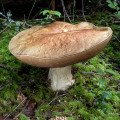 Porcini Mushroom, King of the BoletesThere's no better way to enjoy rainy weather than to break out your Wellies and go mushroom-hunting in the forest. Mushrooms are a healthy addition to your diet and are loaded with important vitamins and minerals that are hard to find in plant food such as Vitamin D, B Vitamins, Selenium, Potassium, Copper and Beta-Glucans, which are important for your immune system. Of course you can find common button mushrooms, cremini and portobello (which are all just different sizes/colors of the same species) in your local supermarket, and you can grow your own oyster mushrooms, but it's a lot more fun to forage for your own exotic fungi! Many delicious species such as chanterelles, cauliflower mushrooms, truffles and porcini can only be found through foraging, since they are not grown commercially. Some people are scared of the idea of mushroom foraging, since there are deadly mushrooms that can kill you with one bite. But don't fear - there are several types of mushrooms that are perfect for beginner foragers since they're unique and easy-to-identify, with few or no poisonous look-alikes. Read on to discover three types of easy-to-identify mushrooms for beginner foragers.12
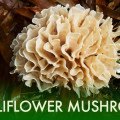 Cauliflower Mushroom, SparassisThere's no better way to enjoy rainy weather than to break out your Wellies and go mushroom-hunting in the forest. Mushrooms are a healthy addition to your diet and are loaded with important vitamins and minerals that are hard to find in plant food such as Vitamin D, B Vitamins, Selenium, Potassium, Copper and Beta-Glucans, which are important for your immune system. Of course you can find common button mushrooms, cremini and portobello (which are all just different sizes/colors of the same species) in your local supermarket, and you can grow your own oyster mushrooms, but it's a lot more fun to forage for your own exotic fungi! Many delicious species such as chanterelles, cauliflower mushrooms, truffles and porcini can only be found through foraging, since they are not grown commercially. Some people are scared of the idea of mushroom foraging, since there are deadly mushrooms that can kill you with one bite. But don't fear - there are several types of mushrooms that are perfect for beginner foragers since they're unique and easy-to-identify, with few or no poisonous look-alikes. Read on to discover three types of easy-to-identify mushrooms for beginner foragers.13
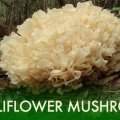 Cauliflower-MushroomThere's no better way to enjoy rainy weather than to break out your Wellies and go mushroom-hunting in the forest. Mushrooms are a healthy addition to your diet and are loaded with important vitamins and minerals that are hard to find in plant food such as Vitamin D, B Vitamins, Selenium, Potassium, Copper and Beta-Glucans, which are important for your immune system. Of course you can find common button mushrooms, cremini and portobello (which are all just different sizes/colors of the same species) in your local supermarket, and you can grow your own oyster mushrooms, but it's a lot more fun to forage for your own exotic fungi! Many delicious species such as chanterelles, cauliflower mushrooms, truffles and porcini can only be found through foraging, since they are not grown commercially. Some people are scared of the idea of mushroom foraging, since there are deadly mushrooms that can kill you with one bite. But don't fear - there are several types of mushrooms that are perfect for beginner foragers since they're unique and easy-to-identify, with few or no poisonous look-alikes. Read on to discover three types of easy-to-identify mushrooms for beginner foragers.14
 3 Edible Mushrooms You Can Forage YourselfThere's no better way to enjoy rainy weather than to break out your Wellies and go mushroom-hunting in the forest. Mushrooms are a healthy addition to your diet and are loaded with important vitamins and minerals that are hard to find in plant food such as Vitamin D, B Vitamins, Selenium, Potassium, Copper and Beta-Glucans, which are important for your immune system. Of course you can find common button mushrooms, cremini and portobello (which are all just different sizes/colors of the same species) in your local supermarket, and you can grow your own oyster mushrooms, but it's a lot more fun to forage for your own exotic fungi! Many delicious species such as chanterelles, cauliflower mushrooms, truffles and porcini can only be found through foraging, since they are not grown commercially. Some people are scared of the idea of mushroom foraging, since there are deadly mushrooms that can kill you with one bite. But don't fear - there are several types of mushrooms that are perfect for beginner foragers since they're unique and easy-to-identify, with few or no poisonous look-alikes. Read on to discover three types of easy-to-identify mushrooms for beginner foragers.15
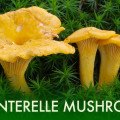 Chanterelle MushroomThere's no better way to enjoy rainy weather than to break out your Wellies and go mushroom-hunting in the forest. Mushrooms are a healthy addition to your diet and are loaded with important vitamins and minerals that are hard to find in plant food such as Vitamin D, B Vitamins, Selenium, Potassium, Copper and Beta-Glucans, which are important for your immune system. Of course you can find common button mushrooms, cremini and portobello (which are all just different sizes/colors of the same species) in your local supermarket, and you can grow your own oyster mushrooms, but it's a lot more fun to forage for your own exotic fungi! Many delicious species such as chanterelles, cauliflower mushrooms, truffles and porcini can only be found through foraging, since they are not grown commercially. Some people are scared of the idea of mushroom foraging, since there are deadly mushrooms that can kill you with one bite. But don't fear - there are several types of mushrooms that are perfect for beginner foragers since they're unique and easy-to-identify, with few or no poisonous look-alikes. Read on to discover three types of easy-to-identify mushrooms for beginner foragers.16
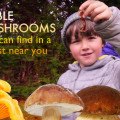 3 Edible MushroomsThere's no better way to enjoy rainy weather than to break out your Wellies and go mushroom-hunting in the forest. Mushrooms are a healthy addition to your diet and are loaded with important vitamins and minerals that are hard to find in plant food such as Vitamin D, B Vitamins, Selenium, Potassium, Copper and Beta-Glucans, which are important for your immune system. Of course you can find common button mushrooms, cremini and portobello (which are all just different sizes/colors of the same species) in your local supermarket, and you can grow your own oyster mushrooms, but it's a lot more fun to forage for your own exotic fungi! Many delicious species such as chanterelles, cauliflower mushrooms, truffles and porcini can only be found through foraging, since they are not grown commercially. Some people are scared of the idea of mushroom foraging, since there are deadly mushrooms that can kill you with one bite. But don't fear - there are several types of mushrooms that are perfect for beginner foragers since they're unique and easy-to-identify, with few or no poisonous look-alikes. Read on to discover three types of easy-to-identify mushrooms for beginner foragers.17
