


Start Slideshow


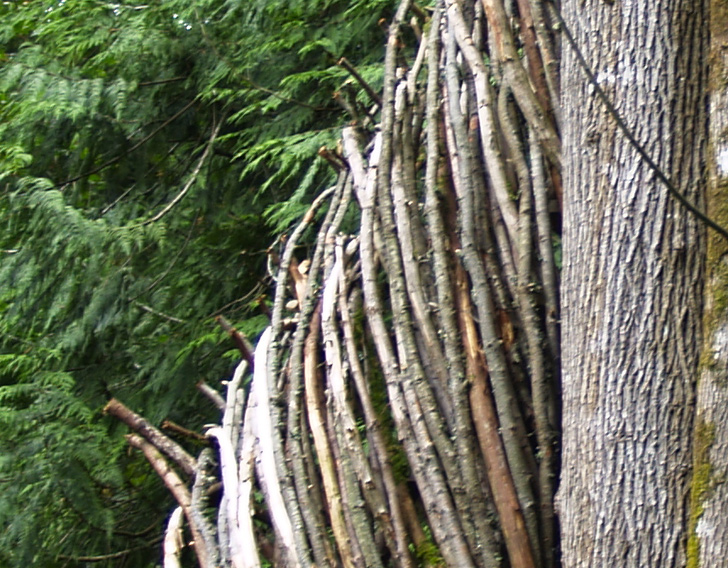
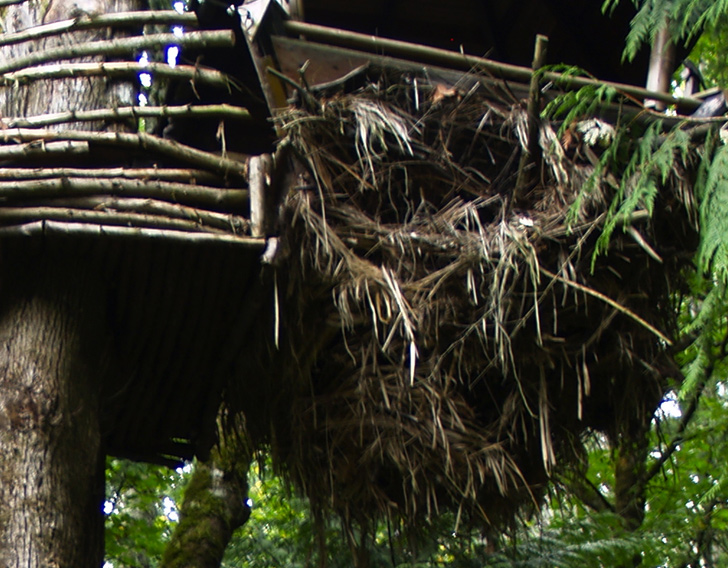

 Romero Nest TreehouseOne of the best parts of being in a <a href="http://inhabitat.com/index.php?s=treehouse">treehouse</a> is the sensation of being high above it all, observing the world from a lofty perch, just like a bird. And when the treehouse you're in actually resembles a giant nest like <a href="http://romerostudios.com/">Roderick Romero</a>'s aptly named "Nest" house, we imagine it's nearly impossible not to identify with our fine feathered friends! Located in the forests of Yelm, Washington, the wild and wonderful aerie is even made of reclaimed wood, twigs and vines much like a beaked architect would build its own home.1
 Romero Nest TreehouseOne of the coolest features of the Nest is that <a href="http://romerostudios.com/">Romero</a> suspended it from an airplane cable 23 feet off the ground.2
 Romero Nest TreehouseUnlike more traditional <a href="http://inhabitat.com/index.php?s=treehouse">treehouses</a> that are anchored to their base tree, the Nest sways to and fro just like a boat in the wind.3
 Romero Nest TreehouseWe asked Romero what his inspiration for the rustic abode was and (expecting a pretty obvious response) were delighted when he explained that he was actually inspired by "the great pyramids, not to mention that the client lived in a giant copper pyramid!" So the client now owns both a giant copper pyramid and a nest treehouse? So unfair!4
 Romero Nest TreehouseRomero is known for his use of <a href="http://inhabitat.com/recycled-materials">recycled materials</a> and like his other works, the Nest was built out of reclaimed teak, mahogany, and cedar.5
 Romero Nest TreehouseHe even used vines and twigs!6
 Romero Nest TreehouseIt's also interesting to note that the Nest was completed in 1997, which speaks to the fact that Romero was utilizing salvaged materials long before it was en vogue.7


