


Start Slideshow
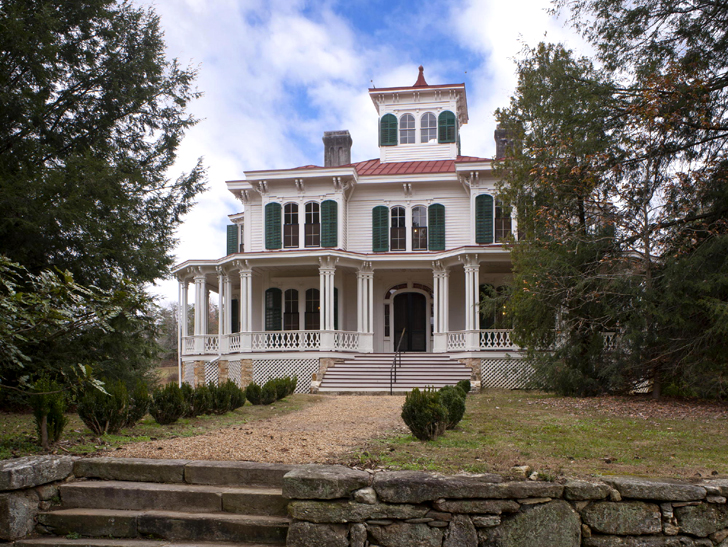


 LEED Farmhouse Lord Aeck and SargentThe countryside of Georgia is dotted with gorgeous 19th century estates and <a href="http://inhabitat.com/south-africas-historic-babylonstoren-farm-retreat-reconnects-guests-with-nature/" target="_blank">farmhouses </a>from yesteryear. One historic home of ornate Italianate style - also once owned by a former Georgia governor - has been both historically preserved and given a modern <a href="http://inhabitat.com/leed-gold-designed-sanford-consortium-brings-scientists-together-to-advance-biomedical-research/" target="_blank">LEED Gold</a> update. With a design by architecture firm <a href="http://www.lordaecksargent.com/" target="_blank">Lord, Aeck & Sargent</a> and the <a href="http://www.gadnr.org">Georgia Department of Natural Resources</a>, the sprawling farmhouse has been restored to its original splendor and now boasts expert energy efficient systems.1
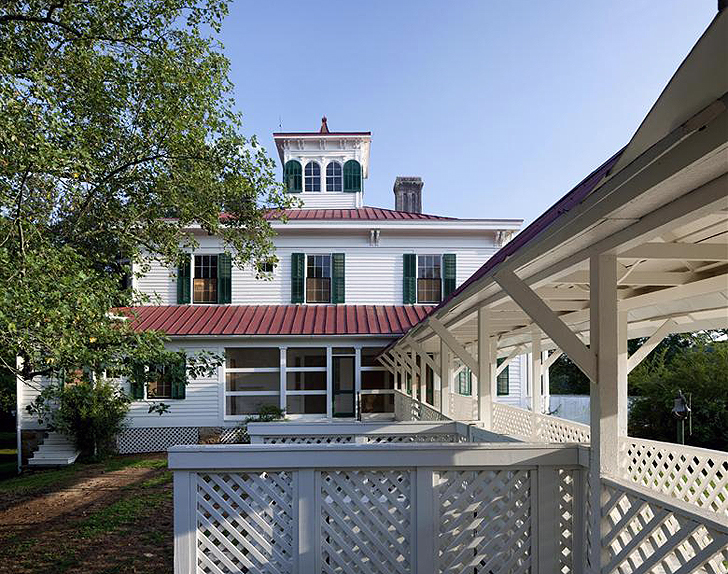
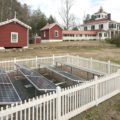 LEED Farmhouse Lord Aeck and SargentThe farmhouse, built in 1870, is an exquisite example of <a href="http://inhabitat.com/eco-luxe-spanish-farmhouse-lures-vacationers-with-mediterranean-views-and-on-site-farm/" target="_blank">old world charm</a>, complete with plentiful porches and capped with a cupola on the third floor. The house sits on Hardman Farm, a 173 acre site that is home to 18 historic structures.2
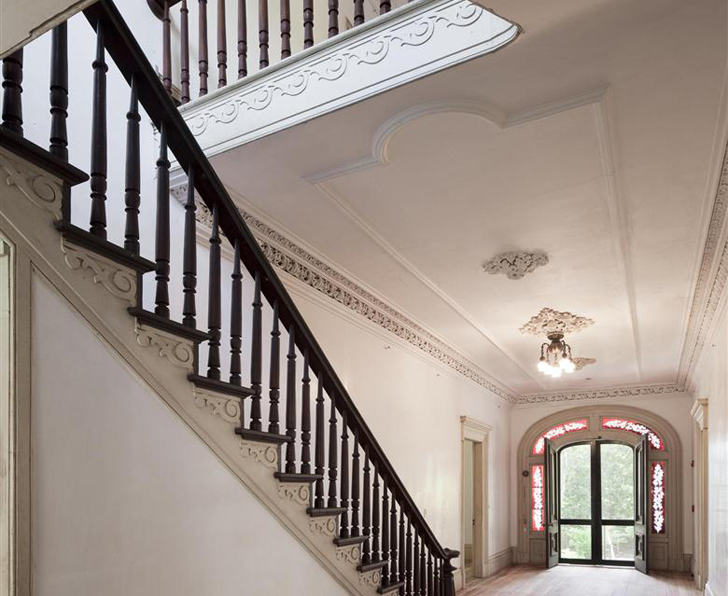
 LEED Farmhouse Lord Aeck and SargentThe $2.1 million reconstruction and restoration project preserved the home to its hey day, which was around the early 1920s. This restoration was unique, because the house was not updated over the years, still boasting its 1870s interior finishes, gas light fixtures and plumbing from the early 20<sup>th</sup> Century.3
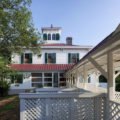 LEED Farmhouse Lord Aeck and SargentLord, Aeck & Sargent had the unique task of preserving the historical architecture and technology, while making the home <a href="http://inhabitat.com/rice-universitys-new-leed-gold-dorms-feature-prefab-bathroom-pods/" target="_blank">LEED certified</a>- without disrupting the historical grandeur.4
 LEED Farmhouse Lord Aeck and SargentThe house already had a few elements that gained it points toward <a href="http://inhabitat.com/gorgeous-leed-h-tiburon-house-is-a-custom-built-energy-efficient-masterpiece/" target="_blank">LEED efficiency</a>. Historic stack ventilation draws air through the cupola above the attic. The house’s position minimizes solar gain, and the deep porches keep the interiors cooler in summer. The team employed a hydronic radiant heating system underneath the original wood floor on the first floor, which effectively heats both the first and second floors.5
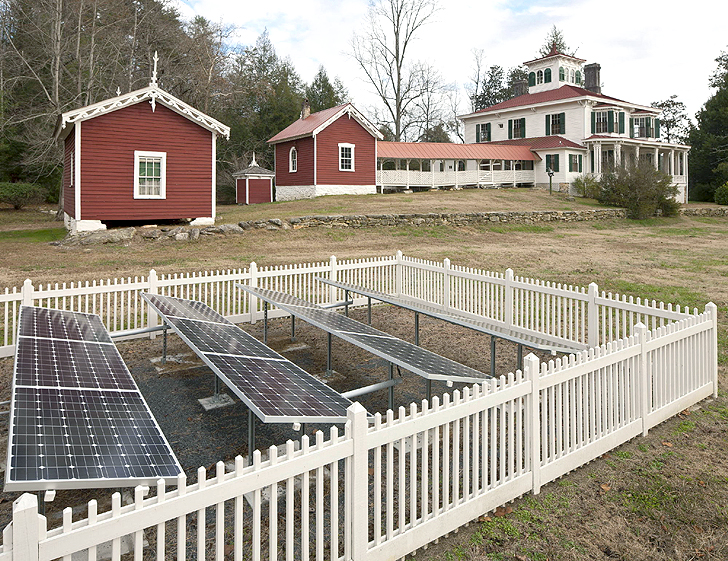
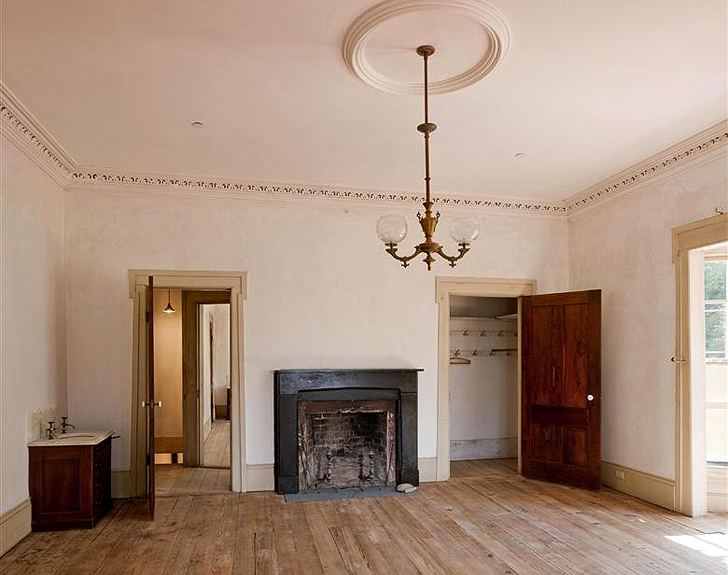
 LEED Farmhouse Lord Aeck and SargentOutside of the main yard of the house, <a href="http://inhabitat.com/us-solar-industry-grows-more-in-third-quarter-of-2011-than-in-all-of-2009/" target="_blank">22 solar panels</a> were installed and encased in a picket fence that matches fences on the property. An underground cistern was installed to harvest rainwater for irrigating the grounds during dry seasons.6
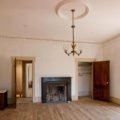 LEED Farmhouse Lord Aeck and SargentThe <a href="http://inhabitat.com/nyc-landmarks-recreated-with-millions-of-plant-parts-at-the-new-york-botanical-garden/" target="_blank">historic landmark </a>is now restored to its original glory, acting as a time capsule for architecture, but also early technology within the home, while acting as a modern example of energy efficiency.7
