


Start Slideshow


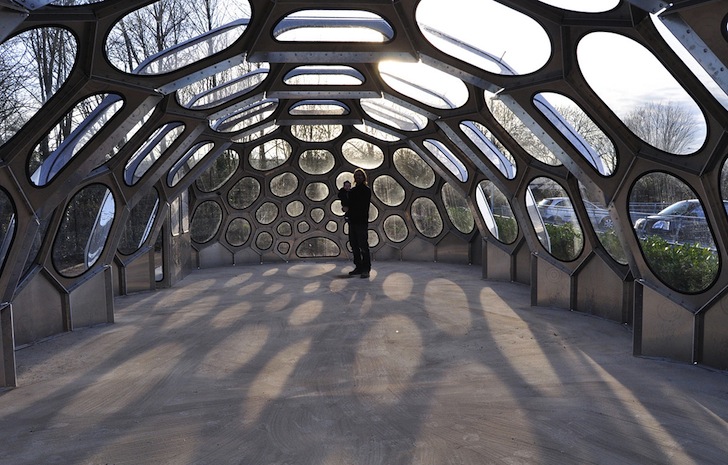

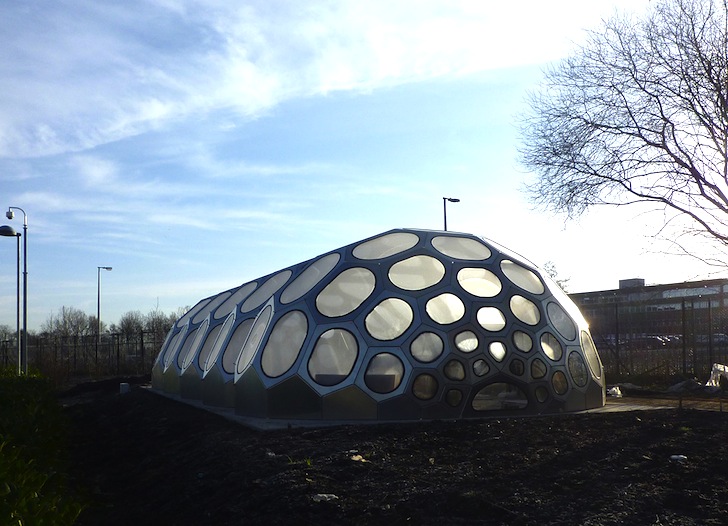
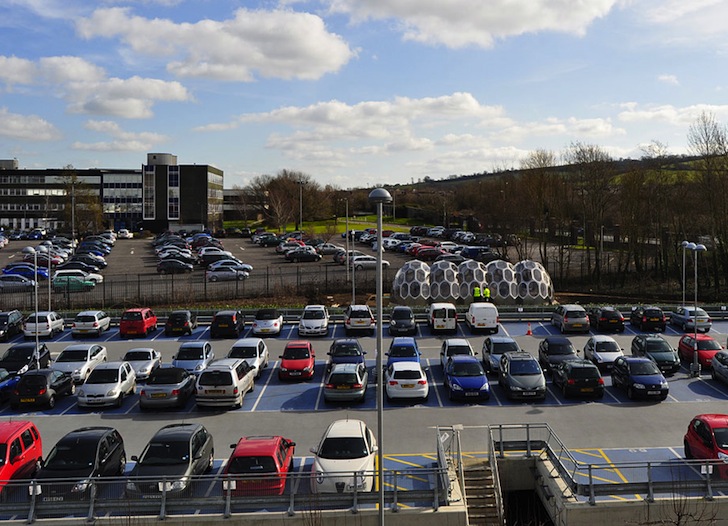
 SPACEPLATES by Anne Romme and N55<a href="http://www.n55.dk/">Danish designers N55</a> and <a href="http://www.anneromme.com/">Anne Romme</a> collaborated to create SPACEPLATES - a modular greenhouse in Bristol that mimics the geometry of sea urchins. The <a href="http://inhabitat.com/the-globe-hedron-is-a-geodesic-greenhouse-for-urban-farmers/">greenhouse</a> is the second prototype of a new building system designed to provide affordable housing for people in a range of income brackets. The project's "pure plate" technology combines the building's structural system and cladding in one svelte design. Located on a small piece of land between parking lots, <a href="http://inhabitat.com/tag/prefab-design/">the prefabricated structure</a> allows horticulture students at the South Bristol Skills Academy to learn about growing a variety of foods regardless of the external climate.1
 SPACEPLATES by Anne Romme and N55This SPACEPLATE greenhouse has been installed between parking lots in Bristol2
 SPACEPLATES by Anne Romme and N55The building allows horticulture students at the South Bristol Skills Academy to learn about growing food all year round, regardless of the external climate3
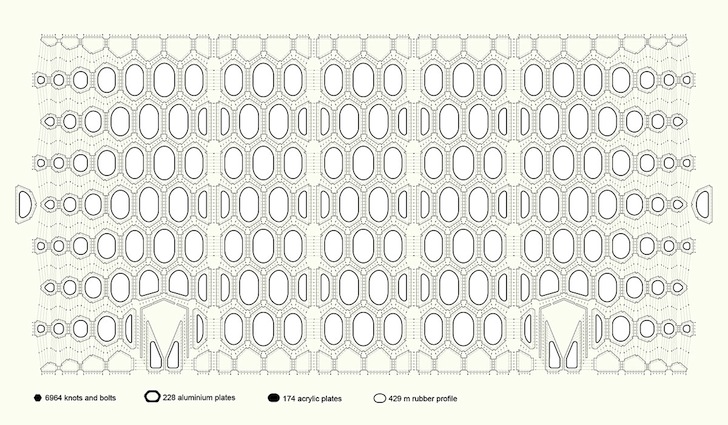
 SPACEPLATES by Anne Romme and N55The modular design consists of a pure plate structure that satisfies both cladding and structural functions at once.4
 SPACEPLATES by Anne Romme and N55The building is made from 4mm laser cut aluminum plates that are bent at the edges and bolted together.5
 SPACEPLATES by Anne Romme and N55Like the sea urchin's shell, it is thin but remarkably durable.6
 SPACEPLATES by Anne Romme and N55SPACEPLATES structures are rigid, lightweight, self-supporting and modular. In other words, they are an ideal 21st century urban solution.7


