


Start Slideshow


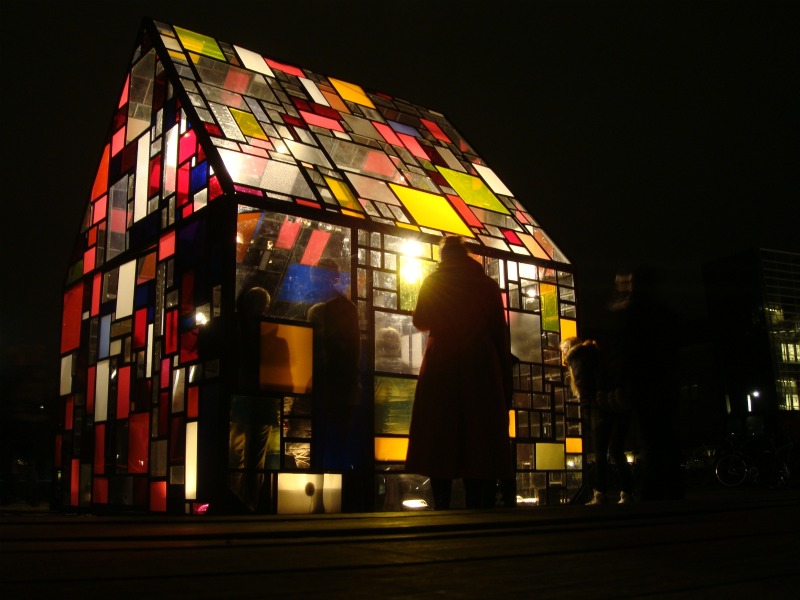
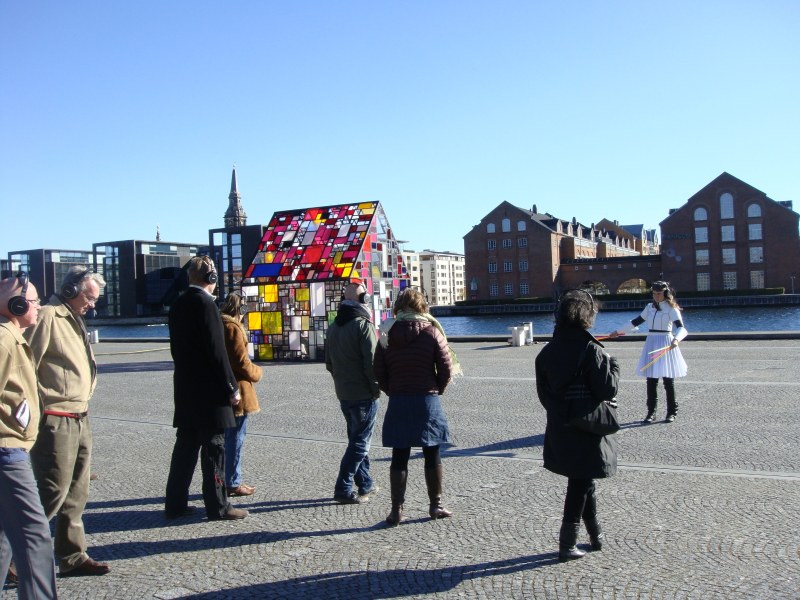


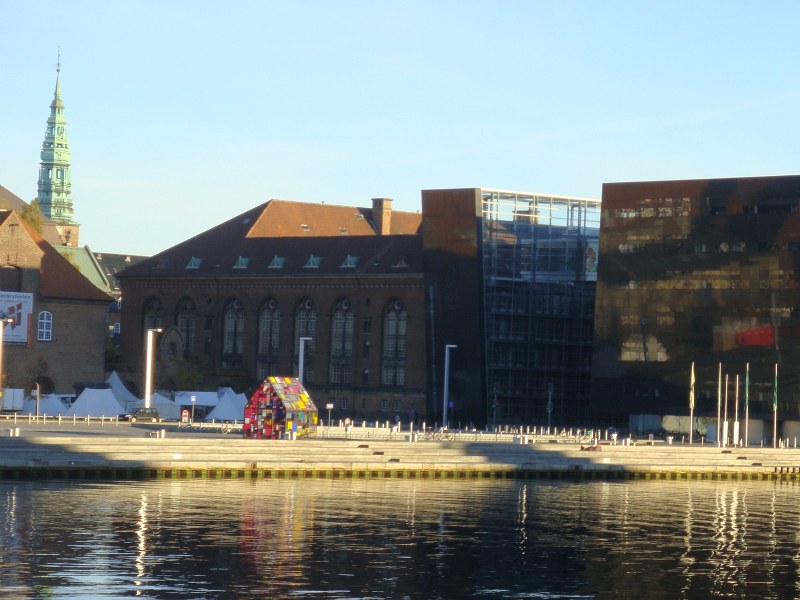

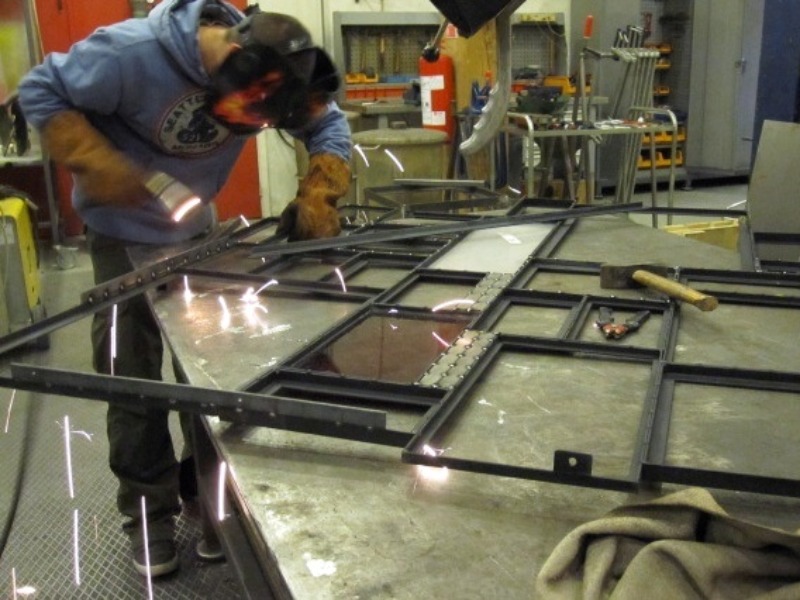

 kolonihavehus<a href="http://www.tomfruin.com/" target="_blank">Tom Fruin</a>, a New York-based installation artist, recently traveled to <a href="http://inhabitat.com/2010/07/23/a-home-fit-for-an-elephant-in-cophenhagen/" target="_blank">Copenhagen</a> where he built this stunning outdoor pavilion in plaza outside of the Royal Danish Library. Constructed out of hand welded angle iron and about a thousand scraps of reclaimed plexiglass, Kolonihavehus is a portable structure commissioned by CoreAct, a Copenhagen-based performance company headed by Anika Barkan and Helene Kvint. The <a href="http://www.inhabitat.com/2008/05/31/guandu-international-sculpture-festival/" target="_blank">outdoor sculpture</a> will provide a backdrop for a series of daily poetry performances, which began on October 14th and will end on November 13th.1
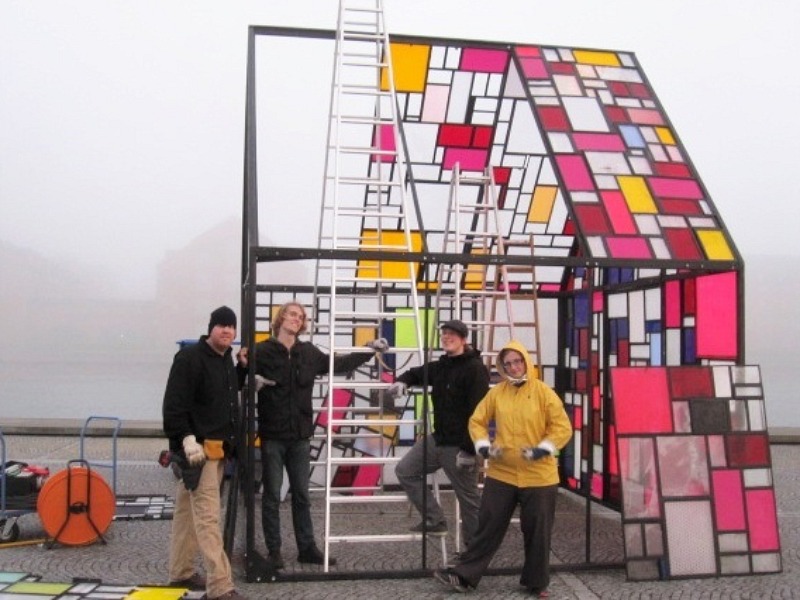
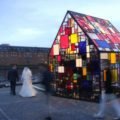 kolonihavehusKolonihavehus' aesthetic is evocative of a stained glass cathedral but with a modern, simplified twist.2
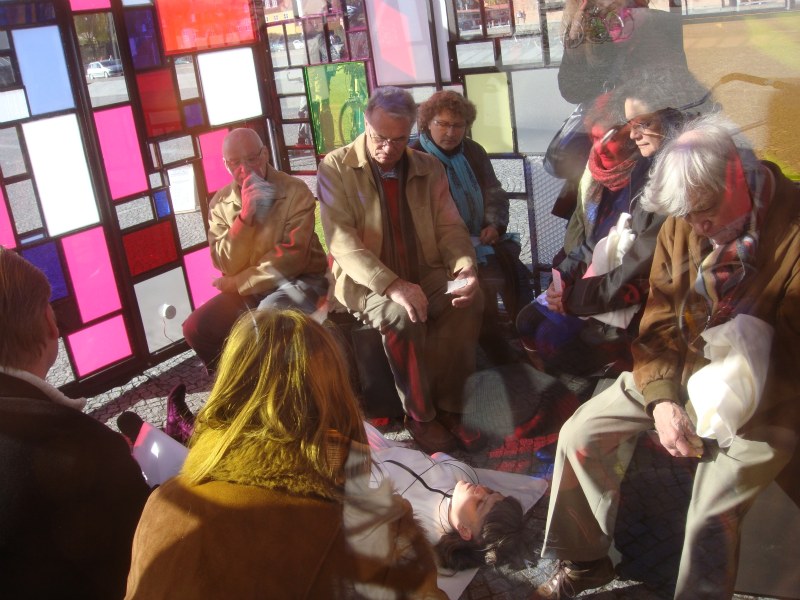
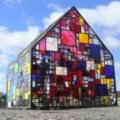 kolonihavehusThe pavilion was designed and built to provide a backdrop for daily performances by CoreAct and will be on display until mid-November.3
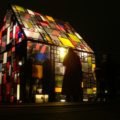 kolonihavehusThe Kolonihavehus is a 12 x 12 x 14 house inspired by a garden shed originally intended to give state workers refuge from cramped living conditions in the city.4
 kolonihavehusTom Fruin, a New York-based artist, designed and built the structure out of hand welded angle iron and about a thousand scraps of plexiglass.5
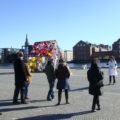 kolonihavehusFruin takes much of his inspiration from found objects and his urban environment and focuses on the overlooked or discarded remnants of society.6
 kolonihavehusA light installation mounted in the space below the roof lights up the pavilion at night into a candy-colored lighthouse and during the day the interior is swathed in shades of bright colors.7
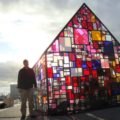 kolonihavehusCompletely portable, the Kolonihavehus can be dismantled into its component parts and transported in a van. The door is mounted with handmade pivot hinges, while operable windows keep it from overheating.8
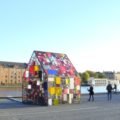 kolonihavehusThe design for the sculpture was created by architect J.D. Messick.9
 kolonihavehusThe computer controlled light sequences were designed by Nuno Neto.10
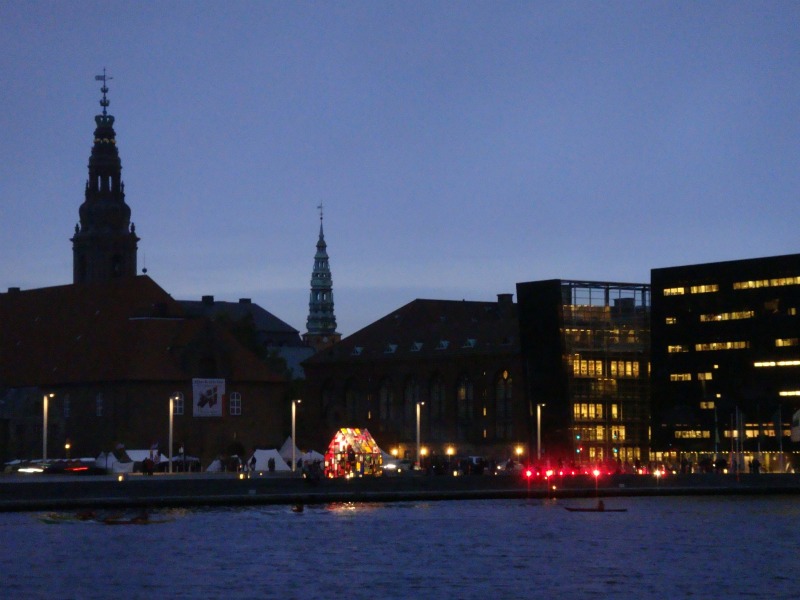
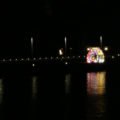 kolonihavehusAt night, seen across the water of the Copenhagen Havn (port), Kolonihavehus is a beacon of mulit-colored light.11
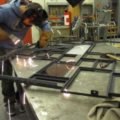 kolonihavehusThe structure is made from a series of 30 individual panels welded together out of angle iron and fitted with multi-colored scraps of plexiglass ranging in size from 2×2 inches, to 24×36 inches.12
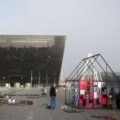 kolonihavehusAll of the recycled plexiglass was found or scavenged from a variety of sources, like a defunct plexi distributorship outside of Copenhagen, a closing picture framing shop, the basement of the Danish State Art Workshops, and the dumpsters outside the Danish Architecture Center.13
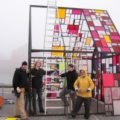 kolonihavehusHopefully at the end of its performance in Copenhagen, the sculpture will be transported to other cities where it can shine.14
