


Start Slideshow



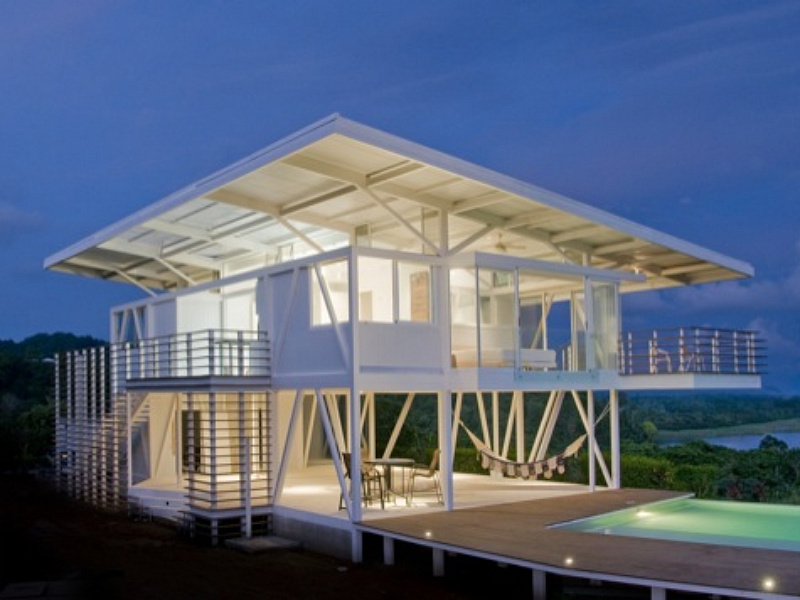
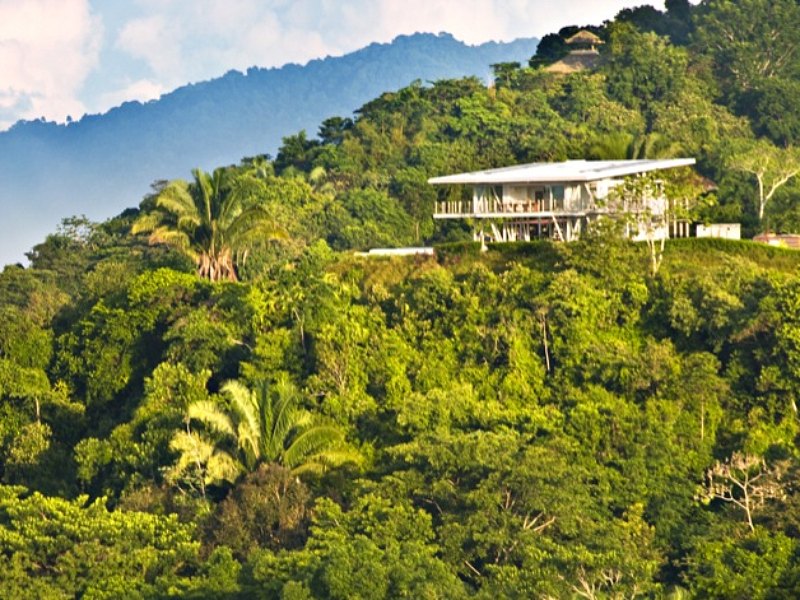



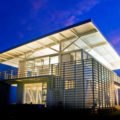 Casa IseamiThis gorgeous modern building is the headquarters for the new <a href="http://www.iseami.com/" target="_blank">ISEAMI Institute</a>, which is devoted to the investigation of sustainability, ecology, and art. Located on the <a href="http://inhabitat.com/2010/08/09/striking-off-grid-house-on-the-osa-penninsula-in-costa-rica/" target="_blank">Osa Peninsula</a>, deep in the rich and biologically-diverse rainforest of Costa Rica, Casa Iseami runs totally off-grid thanks to an on-site hydropower system plus a photovoltaic roof. Costa Rica-based <a href="http://www.roblesarq.com/" target="_blank">Robles Arquitectos</a> designed the building according to their SDRA design process, which evaluates 10 important elements in order to reduce a project's negative impact on the environment.1
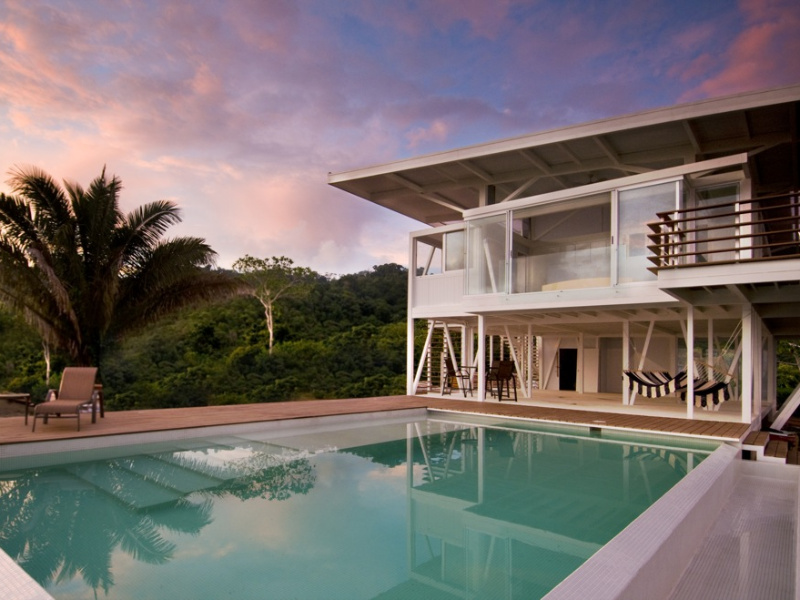
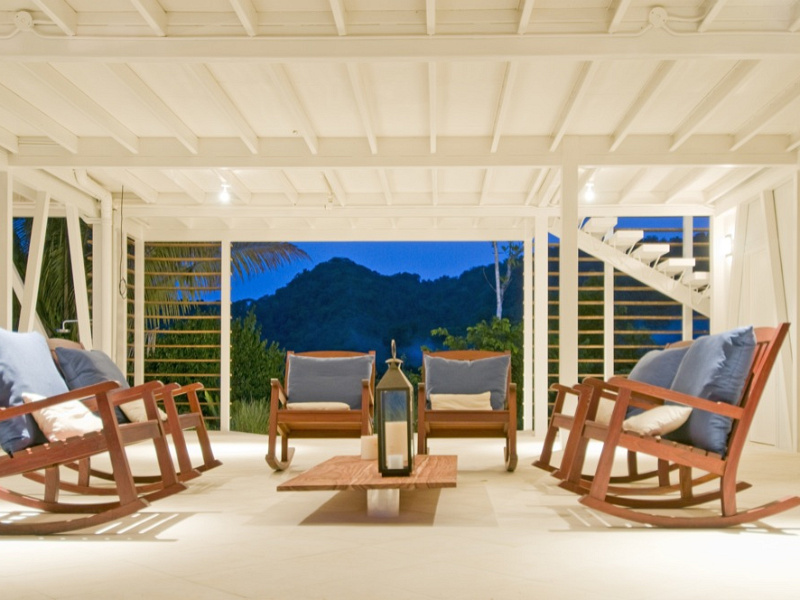
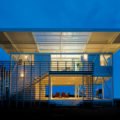 Casa IseamiThe main house for the Institute serves many purposes. Yoga and takes place at the terrace located in the first level, while the director of the institute inhabits the second level.2
 Casa IseamiRobles Arquitectos designed the home, implementing their 10 step design process to minimize the environmental impact of the house on the land.3
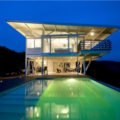 Casa IseamiJuan Robles developed a method for architecture design that explores 10 elements: site, climate, <a href="../energy/" target="_blank">energy</a>, water, materials, environment, atmosphere, cost, innovation, and the use of passive strategies and implemented processes.4
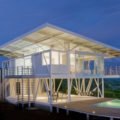 Casa IseamiAs the site is located deep in the forest on the Osa Peninsula, 30 km from the nearest town, it was incredibly important to minimize the project's impact upon its site.5
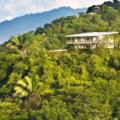 Casa IseamiAs a result, the home was prefabricated off-site and then trucked in and assembled on-site.6
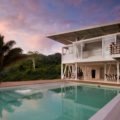 Casa IseamiMaterials used were chosen for their low-maintenance, resistance to mold, fungi and humidity, durability, and recyclability.7
 Casa IseamiThe home is also completely powered by energy systems located on-site. Two micro hydro turbines generate power from a nearby water source and provide 800 kWh annually.8
 Casa IseamiA photovoltaic system on the roof provides 10,800 kWh annually. Coupled with the hydro system the project can produce enough for the house, maintenance building and lodging for visitors.9
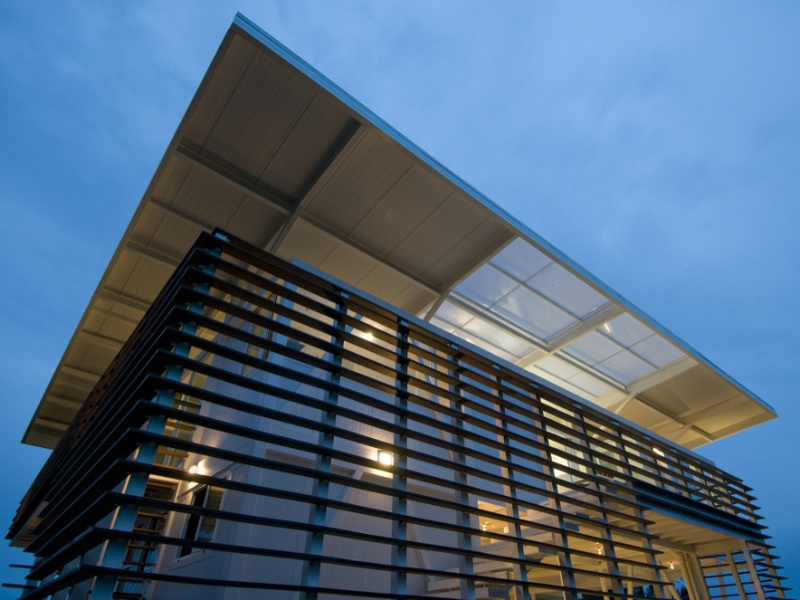
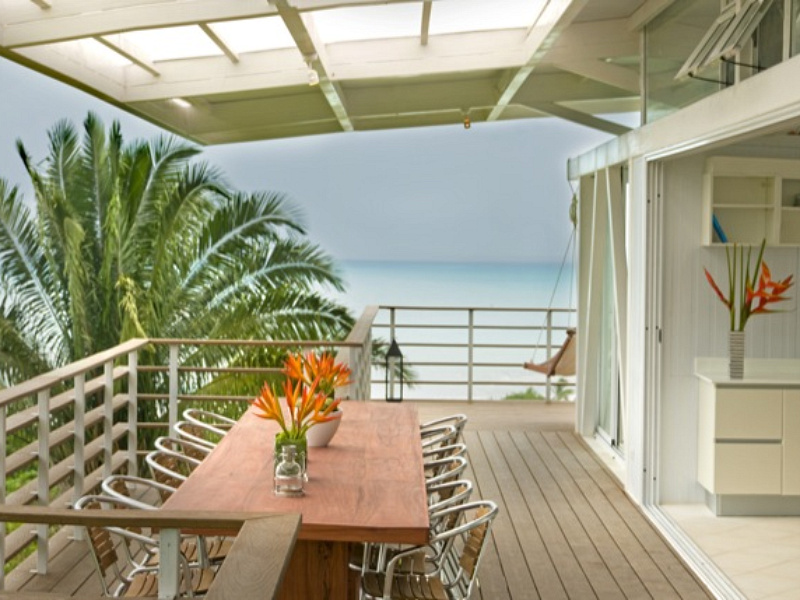
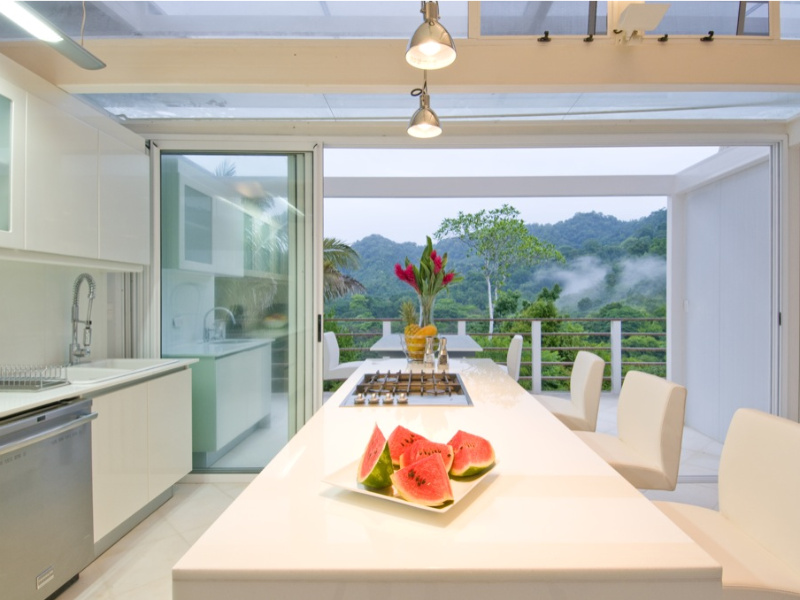
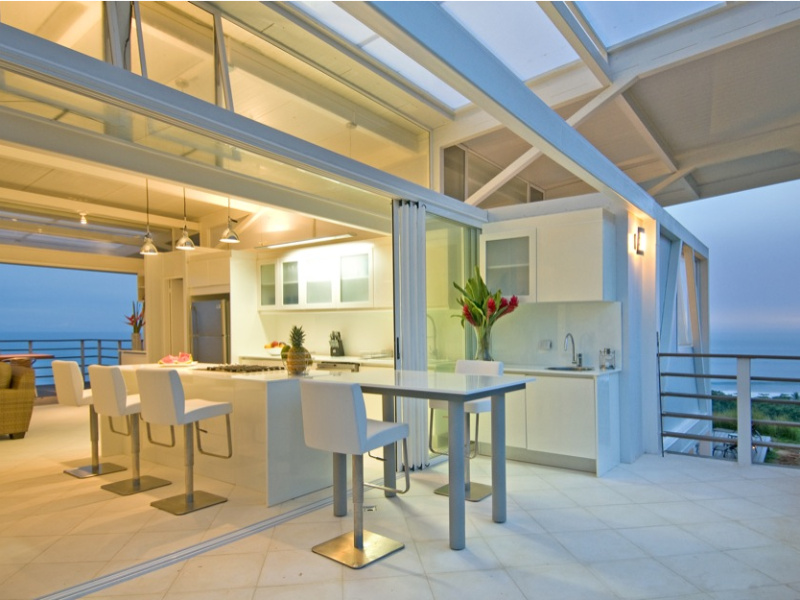
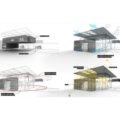
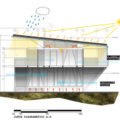
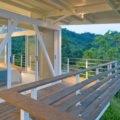 Casa IseamiSolar passive design was employed by using large overhangs to provide shade, orienting the home to maximize natural ventilation, and installing skylights for <a href="../tag/daylighting" target="_blank">daylighting</a>.10
 Casa IseamiSkylight on the roof bring natural light into the home, while operable windows provide natural ventilation.11
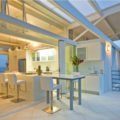 Casa IseamiRecycled plastic louvers made from Trex create a second envelope surrounding the house in order to maximize the temperature control and rain exposure.12
 Casa Iseami[gallery_extend]13
 Casa Iseami[gallery_extend]14
