


Start Slideshow


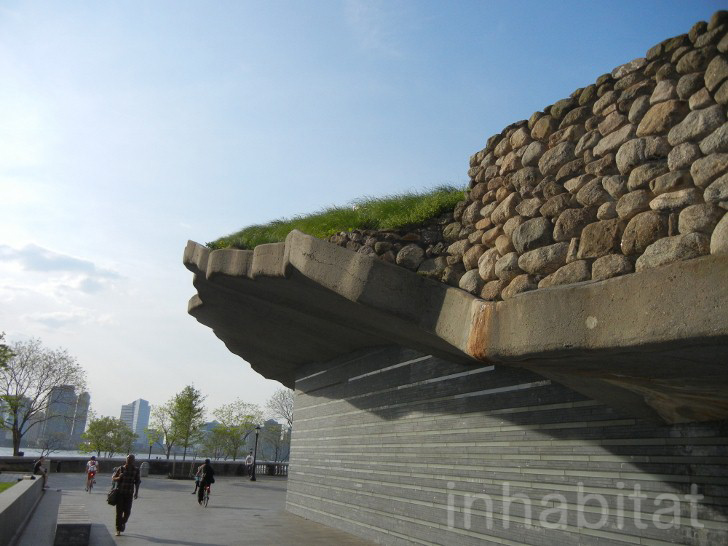
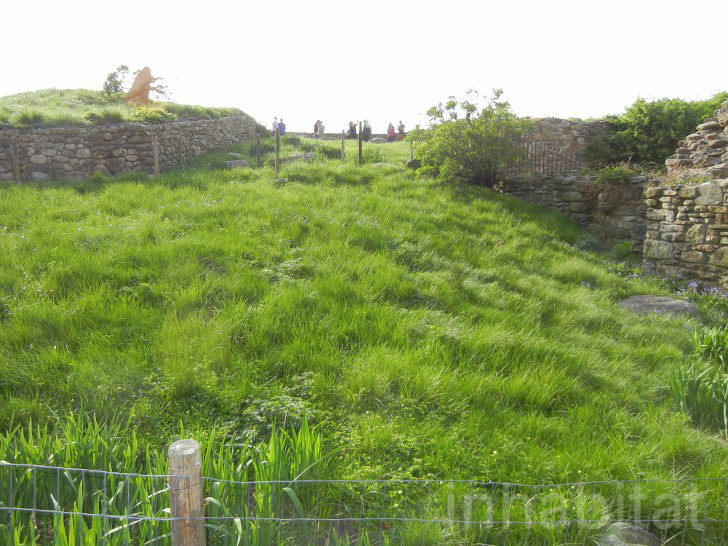
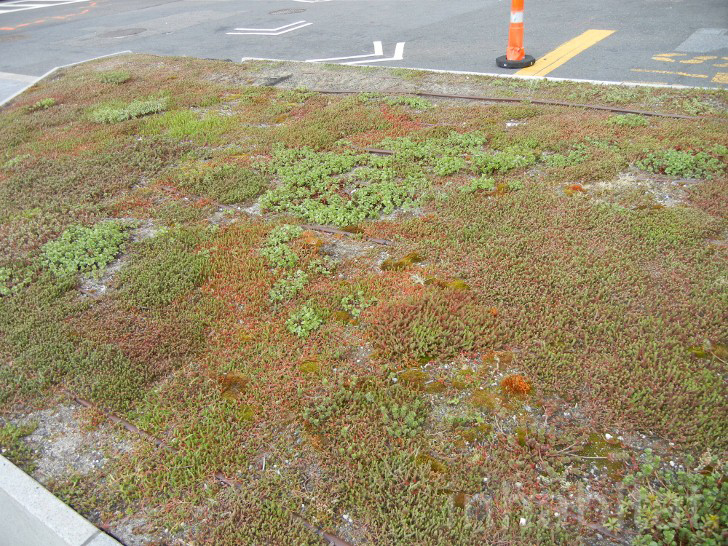
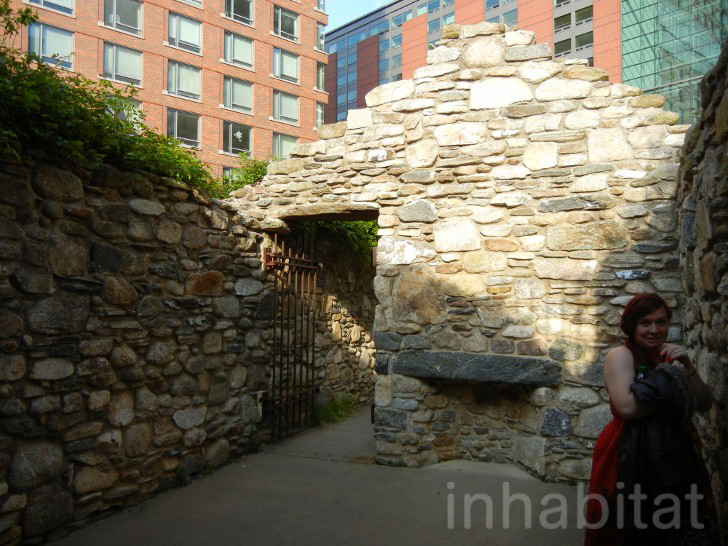
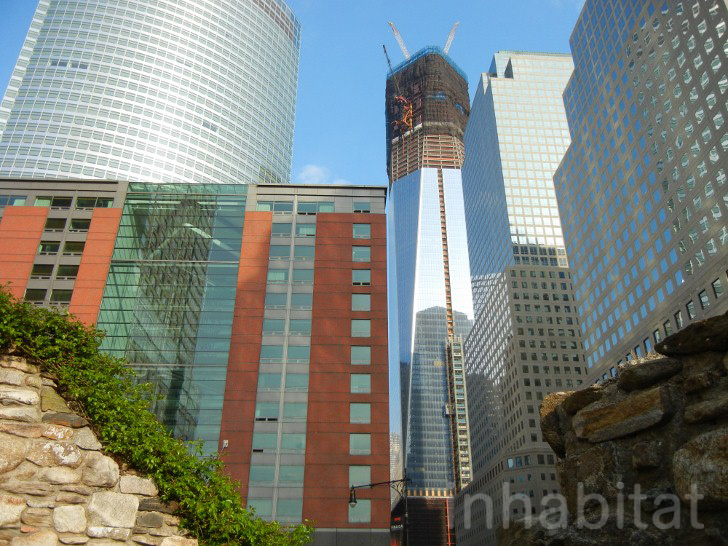
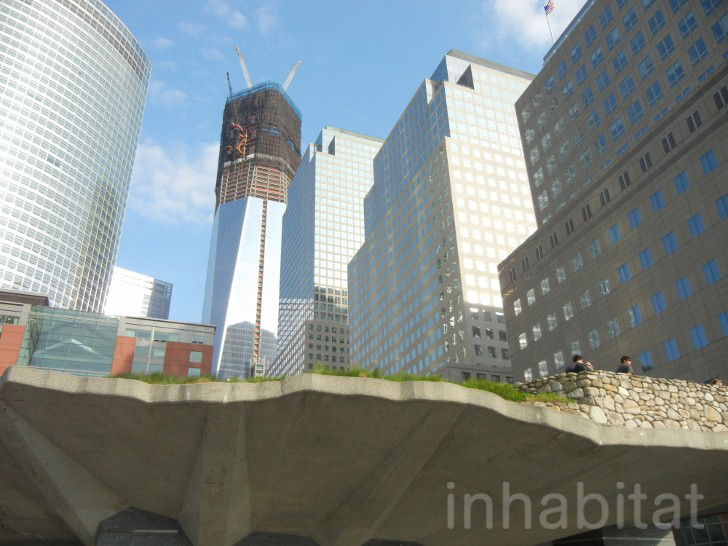
 Irish Hunger MemorialEven the most been-there-done-that New Yorkers might find themselves surprised to stumble upon the <a href="http://www.nyc.com/arts__attractions/irish_hunger_memorial.1379/editorial_review.aspx">Irish Hunger Memorial</a>, a sloping patch of wild grass that protrudes from Vesey Street and conceals one of the city's hidden gems beneath. Designed by artist <a href="http://mysite.verizon.net/vzev1f42/bio/index.htm">Brian Tolle</a>, landscape artist <a href="http://land8lounge.com/profile/GailWittwerLaird">Gail Wittwer-Laird</a> and <a href="http://www.1100architect.com/">1100 Architect</a>, the green-roofed monument entices passersby with its curiously overgrown field and, once they are inside, educates them about the <a href="http://en.wikipedia.org/wiki/Great_Famine_(Ireland)">Great Irish Famine and Migration of 1845-1852</a>, a devastating event which actually led many Irishmen to make New York their new home. Comprised of an elevated limestone plinth supported by stones from each of Ireland's 32 counties, the beautiful structure contains a dark passageway that eventually leads to an idyllic knoll that reaches towards <a href="http://www.ellisisland.org/">Ellis Island</a>, symbolizing the new beginning that many Irish found in America.1
 Irish Hunger Memorial"<a href="http://en.wikipedia.org/wiki/Great_Famine_(Ireland)">The Great Hunger</a>" or "An Gorta Mor" began in 1845 when a blight (agricultural disease) destroyed the country's potato crops, leaving many without any food. With no choice but to leave their homes, about a million Irish left the country and hundreds of thousands of them decided to try their luck in New York. Today, nearly 800,000 residents of <a href="http://inhabitat.com/nyc">NYC</a> can trace their roots back to the Emerald Isle.2
 Irish Hunger MemorialThe Irish Hunger Memorial pays homage to the ancestors of our city's Irish-Americans and the extreme hardship they endured during the Great Famine. There's nothing at all flashy about the memorial, but it contains a great deal of symbolism.3
 Irish Hunger MemorialFor example, the size of the grassy area was purposely measured out to be one-quarter of an acre, the significance being that in 1847, <a href="http://en.wikipedia.org/wiki/William_Henry_Gregory">Sir William Gregory</a> proposed a clause to the Irish Poor Law stating that no person occupying land of more than one-quarter acre was eligible for any type of relief from the government - a technicality that cause many to starve.4
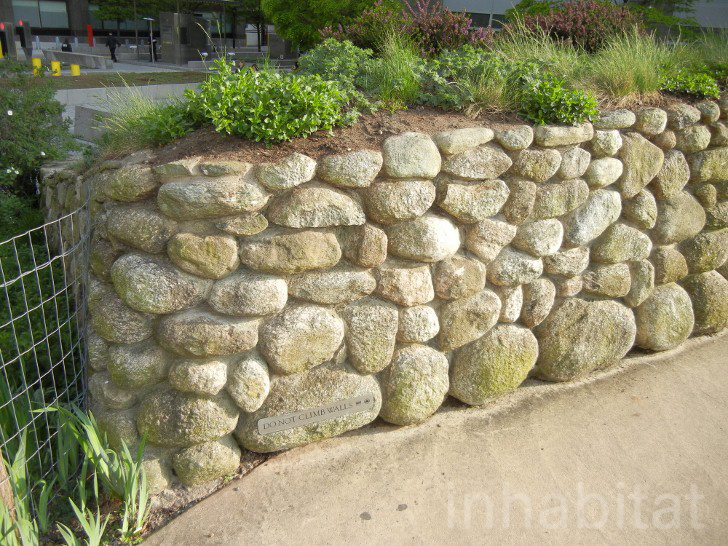
 Irish Hunger MemorialThe quiet monument is made up of stones from each of Ireland's 32 counties atop a 300 million years old slab of limestone that contains fossils from the ancient Irish seabed.5
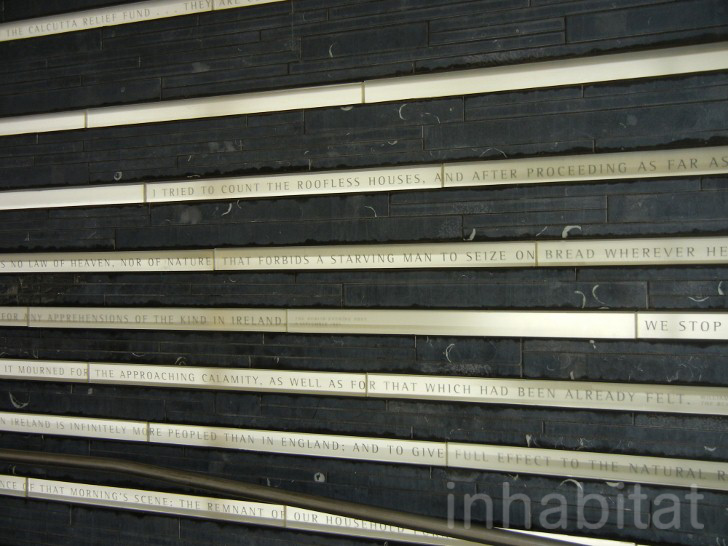
 Irish Hunger MemorialAlong the base are bands inscribed with almost two miles of text of texts separated by layers of imported Kilkenny limestone. The base of the memorial is adorned with bands of text from letters, quotes, reports, poems, recipes and songs describing the famine and the effect it had on the Irish people.6
 Irish Hunger MemorialTo those approaching the memorial from the <a href="http://inhabitat.com/tag/world-financial-center/">World Financial Center</a>, it appears to be a sloped knoll growing free with grasses and other wild plants, while those on the river walk are able to see its stony foundation.7
 Irish Hunger MemorialVisitors can walk through the structure and up the green pathway, which ends in a cantilevered overlook with views of the Statue of Liberty and Ellis Island.8
 Irish Hunger MemorialIf you're in the Financial District, we highly recommend you stop by this contemplative space, whether it's to learn about the history of Ireland or just to find some serenity away from the hubbub of the city.9
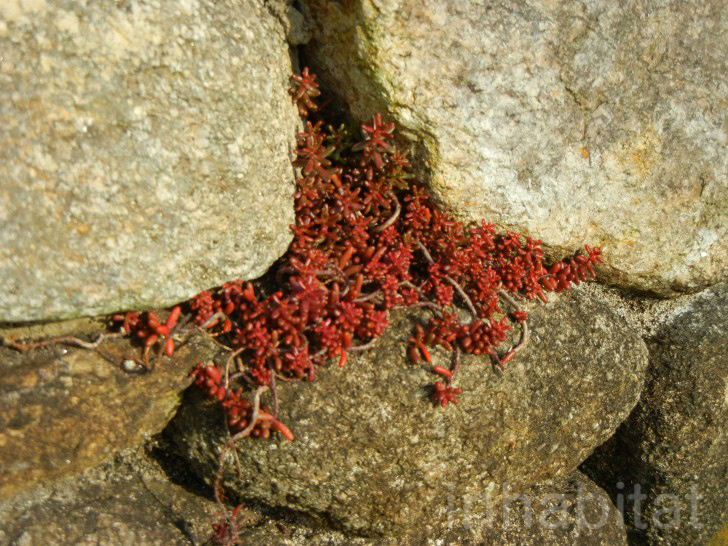
 Irish Hunger MemorialLittle plants peek out of the stones of the memorial.10
 Irish Hunger MemorialThe Irish Hunger Memorial is located at 290 Vesey Street, New York, NY.11

