


Start Slideshow


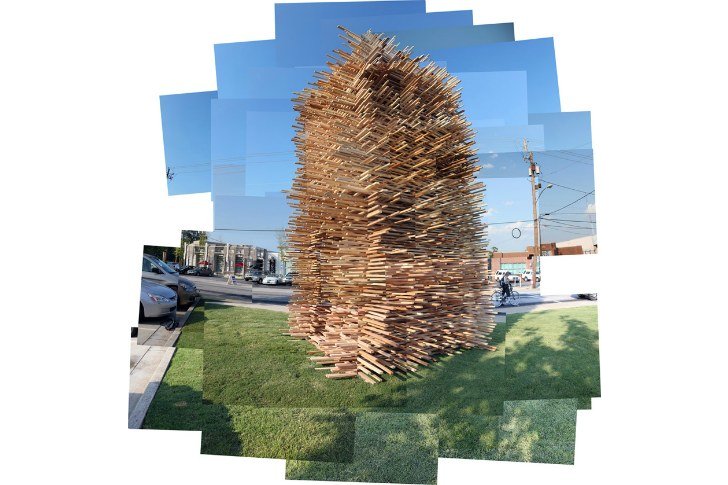

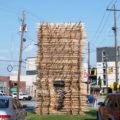 Edge Condition Pavilion-SynecdocheJenga is a simple yet intense game that involves removing wooden pieces from a structure without toppling it. A young Michigan architecture firm, <a href="http://synecdochedesign.tumblr.com/" target="_blank">Synecdoche</a>, is trying to do just the opposite - create a large stacked <a href="http://inhabitat.com/tag/temporary-pavilion" target="_blank">pavilion</a> from wood scraps and keep it completely stable. The Edge Condition Pavilion that resulted is vertical structure of stacked wood edges to create a space of scattered light through the stratified layers. Using only <a href="http://inhabitat.com/tag/scrap-wood" target="_blank">scrap wood</a> edges from a hardwood mill, Synecdoche recently built the stable 20 foot tower for the <a href="http://www.10up.yafatlanta.org/" target="_blank">10up Competition in Atlanta</a>, which was assembled just like you start the Jenga game and all of the scraps used will be recycled after the structure is dismantled.1
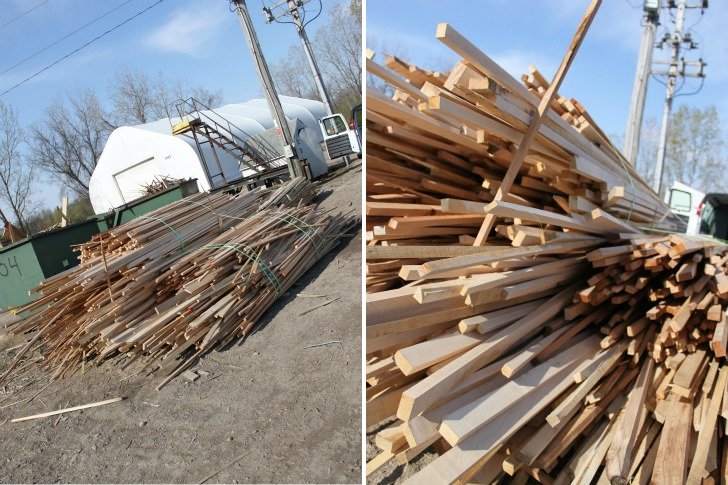
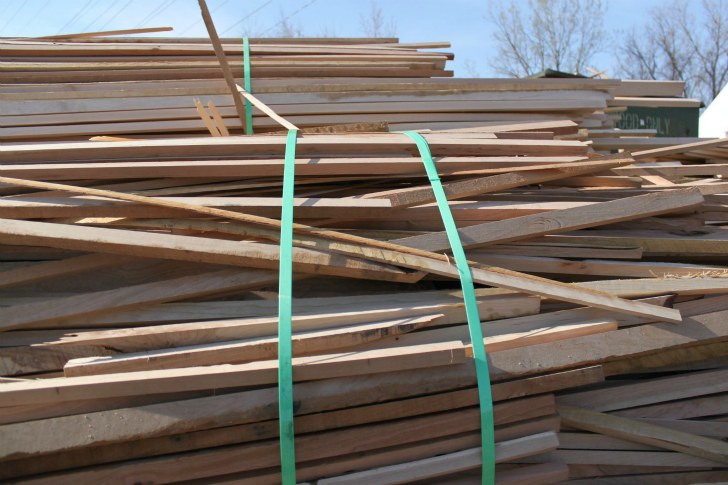
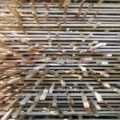 Edge Condition Pavilion-SynecdocheSynecdoche has a partnership with a local hardwood mill in Michigan who donates their scrap edges leftover from their milling process.2
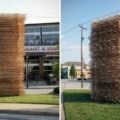 Edge Condition Pavilion-SynecdocheThese wood edges are all consistently 1" in thickness, but do very in width and length.3
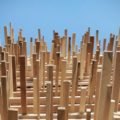 Edge Condition Pavilion-SynecdocheSynecdoche stacks the lengths in a square shape layering the wood up and up to create a tower.4
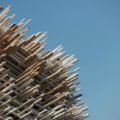 Edge Condition Pavilion-SynecdocheGaps and cracks in the structure let light filter into the interior and a large door is left open in order to enter into the temporary pavilion.5
 Edge Condition Pavilion-SynecdocheThe weight of the hardwood scraps alone ensures the integrity and stability of the structure, which was tested to ensure that is can withstand wind gusts and other inclement weather.6
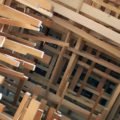 Edge Condition Pavilion-SynecdocheThe Edge Condition Pavilion is made from neither board nor wood chip and operates on the edge of a definitive material.7
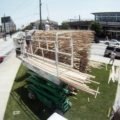 Edge Condition Pavilion-SynecdocheLikewise the way in which is built - stacking - is also on the edge of traditional construction.8
 Edge Condition Pavilion-SynecdocheThere are no mechanical fasteners used at all and this easily allows the temporary structure to be altered, enlarged or shrunk depending on the space or need.9
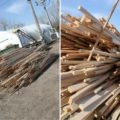 Edge Condition Pavilion-SynecdocheIn the case of this tower for the Atlanta installation, Synecdoche did create a top portion that was fastened together to serve as a top weight for the entire structure as a way to ensure safety.10
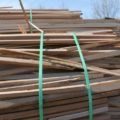 Edge Condition Pavilion-SynecdocheDisassembly of the pavilion is as simple as putting it together and the wood lengths are easily unstacked layer by layer, unlike Jenga.11
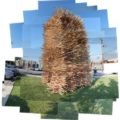 Edge Condition Pavilion-SynecdocheThe scrap wood edges will then be returned to the hardwood mill, where it will be turned into wood chips or burned in the mill's kiln for fuel.12
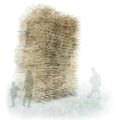 Edge Condition Pavilion-SynecdocheSynecdoche, led by Lisa Sauve and Adam Smith took home first place in the Young Architect's Forum of Atlanta 10up Design Build Competition, who sponsored the construction of the pavilion. The pavilion was built on June 3rd in Atlanta.13
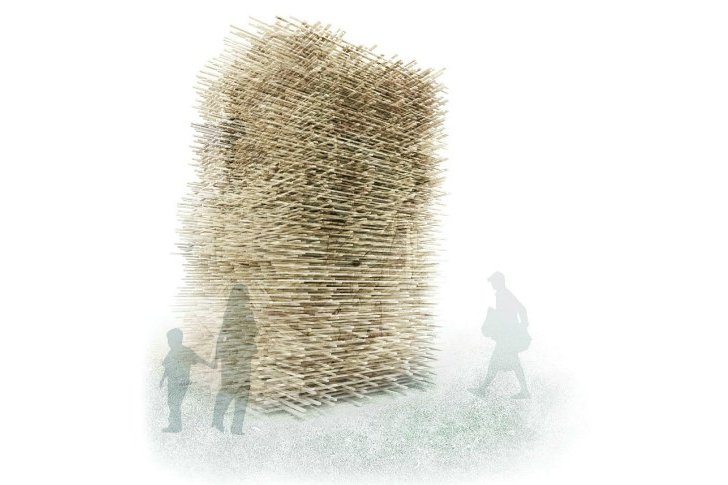
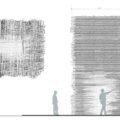 Edge Condition Pavilion-SynecdocheEntry proposal for the 10up Competition.14
