


Start Slideshow

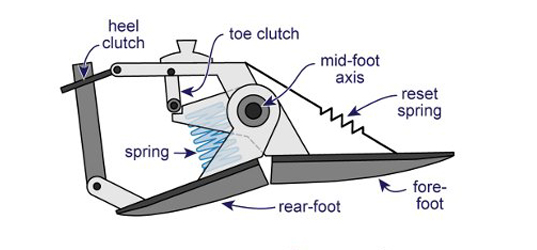


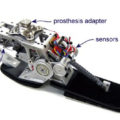 Energy generating artificial footIt's not easy walking on a prosthetic foot. Aside from the obvious difficulty of adjusting to an artificial limb, dragging around the weight of the foot exerts a lot of energy -- <b>23% more</b> than walking on a natural foot, to be exact. But a prototype foot developed by researchers at the University of Michigan makes it easier for amputees to move around normally by recycling kinetic energy generated while walking.1
 Energy generating artificial footIt's not easy walking on a prosthetic foot. Aside from the obvious difficulty of adjusting to an artificial limb, dragging around the weight of the foot exerts a lot of energy -- <b>23% more</b> than walking on a natural foot, to be exact. But a prototype foot developed by researchers at the University of Michigan makes it easier for amputees to move around normally by recycling kinetic energy generated while walking.2
 Energy generating artificial footIt's not easy walking on a prosthetic foot. Aside from the obvious difficulty of adjusting to an artificial limb, dragging around the weight of the foot exerts a lot of energy -- <b>23% more</b> than walking on a natural foot, to be exact. But a prototype foot developed by researchers at the University of Michigan makes it easier for amputees to move around normally by recycling kinetic energy generated while walking.3
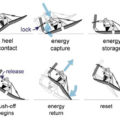 Energy generating artificial footIt's not easy walking on a prosthetic foot. Aside from the obvious difficulty of adjusting to an artificial limb, dragging around the weight of the foot exerts a lot of energy -- <b>23% more</b> than walking on a natural foot, to be exact. But a prototype foot developed by researchers at the University of Michigan makes it easier for amputees to move around normally by recycling kinetic energy generated while walking.4
 Energy recycling artificial footIt's not easy walking on a prosthetic foot. Aside from the obvious difficulty of adjusting to an artificial limb, dragging around the weight of the foot exerts a lot of energy -- <b>23% more</b> than walking on a natural foot, to be exact. But a prototype foot developed by researchers at the University of Michigan makes it easier for amputees to move around normally by recycling kinetic energy generated while walking.5
