


Start Slideshow


 Food Demand to Double by 2050, Urban Agriculture to Become Increasingly ImportantA new report from researchers at the University of Minnesota says that the world's food demand will double by 2050, however thankfully there is a gaping hole in their research - the team neglected to consider advancements inurban farming, which could provide agricultural solutions for Earth's growing human population (as it is already doing in places like Havana, Cuba). The University of Minnesota researchers estimate that an area the size of the United States would need to be cleared by developing nations in order to make enough to feed their growing communities, and that clearing that area will significantly increase carbon dioxide levels in the atmosphere leading to increased climate change. Or, we could build farms on empty urban lots, on city rooftops and in community spaces and feed ourselves on the open land we already have by using new technologies being developed in empty storefronts in London and high-tech laboratories nestled into Subway sandwich shops in Japan....<br><br><a href='https://inhabitat.com/food-demand-to-double-by-2050-urban-agriculture-to-become-increasingly-important/'>READ ARTICLE</a>1
 Food Demand to Double by 2050, Urban Agriculture to Become Increasingly ImportantA new report from researchers at the University of Minnesota says that the world's food demand will double by 2050, however thankfully there is a gaping hole in their research - the team neglected to consider advancements inurban farming, which could provide agricultural solutions for Earth's growing human population (as it is already doing in places like Havana, Cuba). The University of Minnesota researchers estimate that an area the size of the United States would need to be cleared by developing nations in order to make enough to feed their growing communities, and that clearing that area will significantly increase carbon dioxide levels in the atmosphere leading to increased climate change. Or, we could build farms on empty urban lots, on city rooftops and in community spaces and feed ourselves on the open land we already have by using new technologies being developed in empty storefronts in London and high-tech laboratories nestled into Subway sandwich shops in Japan....<br><br><a href='https://inhabitat.com/food-demand-to-double-by-2050-urban-agriculture-to-become-increasingly-important/'>READ ARTICLE</a>2
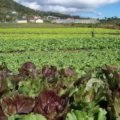 Food Demand to Double by 2050, Urban Agriculture to Become Increasingly ImportantA new report from researchers at the University of Minnesota says that the world's food demand will double by 2050, however thankfully there is a gaping hole in their research - the team neglected to consider advancements inurban farming, which could provide agricultural solutions for Earth's growing human population (as it is already doing in places like Havana, Cuba). The University of Minnesota researchers estimate that an area the size of the United States would need to be cleared by developing nations in order to make enough to feed their growing communities, and that clearing that area will significantly increase carbon dioxide levels in the atmosphere leading to increased climate change. Or, we could build farms on empty urban lots, on city rooftops and in community spaces and feed ourselves on the open land we already have by using new technologies being developed in empty storefronts in London and high-tech laboratories nestled into Subway sandwich shops in Japan....<br><br><a href='https://inhabitat.com/food-demand-to-double-by-2050-urban-agriculture-to-become-increasingly-important/'>READ ARTICLE</a>3
 Food Demand to Double by 2050, Urban Agriculture to Become Increasingly ImportantA new report from researchers at the University of Minnesota says that the world's food demand will double by 2050, however thankfully there is a gaping hole in their research - the team neglected to consider advancements inurban farming, which could provide agricultural solutions for Earth's growing human population (as it is already doing in places like Havana, Cuba). The University of Minnesota researchers estimate that an area the size of the United States would need to be cleared by developing nations in order to make enough to feed their growing communities, and that clearing that area will significantly increase carbon dioxide levels in the atmosphere leading to increased climate change. Or, we could build farms on empty urban lots, on city rooftops and in community spaces and feed ourselves on the open land we already have by using new technologies being developed in empty storefronts in London and high-tech laboratories nestled into Subway sandwich shops in Japan....<br><br><a href='https://inhabitat.com/food-demand-to-double-by-2050-urban-agriculture-to-become-increasingly-important/'>READ ARTICLE</a>4
 Food Demand to Double by 2050, Urban Agriculture to Become Increasingly ImportantA new report from researchers at the University of Minnesota says that the world's food demand will double by 2050, however thankfully there is a gaping hole in their research - the team neglected to consider advancements inurban farming, which could provide agricultural solutions for Earth's growing human population (as it is already doing in places like Havana, Cuba). The University of Minnesota researchers estimate that an area the size of the United States would need to be cleared by developing nations in order to make enough to feed their growing communities, and that clearing that area will significantly increase carbon dioxide levels in the atmosphere leading to increased climate change. Or, we could build farms on empty urban lots, on city rooftops and in community spaces and feed ourselves on the open land we already have by using new technologies being developed in empty storefronts in London and high-tech laboratories nestled into Subway sandwich shops in Japan....<br><br><a href='https://inhabitat.com/food-demand-to-double-by-2050-urban-agriculture-to-become-increasingly-important/'>READ ARTICLE</a>5
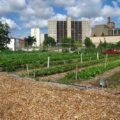 Food Demand to Double by 2050, Urban Agriculture to Become Increasingly ImportantA new report from researchers at the University of Minnesota says that the world's food demand will double by 2050, however thankfully there is a gaping hole in their research - the team neglected to consider advancements inurban farming, which could provide agricultural solutions for Earth's growing human population (as it is already doing in places like Havana, Cuba). The University of Minnesota researchers estimate that an area the size of the United States would need to be cleared by developing nations in order to make enough to feed their growing communities, and that clearing that area will significantly increase carbon dioxide levels in the atmosphere leading to increased climate change. Or, we could build farms on empty urban lots, on city rooftops and in community spaces and feed ourselves on the open land we already have by using new technologies being developed in empty storefronts in London and high-tech laboratories nestled into Subway sandwich shops in Japan....<br><br><a href='https://inhabitat.com/food-demand-to-double-by-2050-urban-agriculture-to-become-increasingly-important/'>READ ARTICLE</a>6
