


Start Slideshow


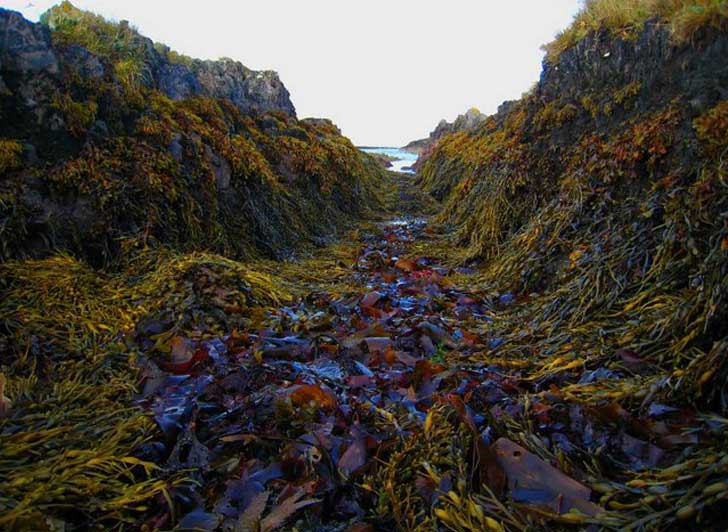
 A Microbe from Human Stomachs Could Help Turn Seaweed Into BiofuelResearchers at the Bio Architecture Lab and the University of Washington in Seattle have genetically modified a microbe commonly found in the human stomach to enable it to break down the very exotic sugars found in seaweed. The development could signify a biofuel breakthrough, since seaweed doesn't take up space that crops could use, it doesn't contain the hard to break down substance lignin, and it needs absolutely no fertilizers to grow. The newly foundprocess also doesn't require high temperatures, which means that turning seaweed into biofuel would require very little electricity....<br><br><a href='https://inhabitat.com/human-stomach-microbe-could-help-turn-seaweed-into-biofuel/'>READ ARTICLE</a>1
 A Microbe from Human Stomachs Could Help Turn Seaweed Into BiofuelResearchers at the Bio Architecture Lab and the University of Washington in Seattle have genetically modified a microbe commonly found in the human stomach to enable it to break down the very exotic sugars found in seaweed. The development could signify a biofuel breakthrough, since seaweed doesn't take up space that crops could use, it doesn't contain the hard to break down substance lignin, and it needs absolutely no fertilizers to grow. The newly foundprocess also doesn't require high temperatures, which means that turning seaweed into biofuel would require very little electricity....<br><br><a href='https://inhabitat.com/human-stomach-microbe-could-help-turn-seaweed-into-biofuel/'>READ ARTICLE</a>2
 A Microbe from Human Stomachs Could Help Turn Seaweed Into BiofuelResearchers at the Bio Architecture Lab and the University of Washington in Seattle have genetically modified a microbe commonly found in the human stomach to enable it to break down the very exotic sugars found in seaweed. The development could signify a biofuel breakthrough, since seaweed doesn't take up space that crops could use, it doesn't contain the hard to break down substance lignin, and it needs absolutely no fertilizers to grow. The newly foundprocess also doesn't require high temperatures, which means that turning seaweed into biofuel would require very little electricity....<br><br><a href='https://inhabitat.com/human-stomach-microbe-could-help-turn-seaweed-into-biofuel/'>READ ARTICLE</a>3
