
The Intergovernmental Panel on Climate Change (IPCC), a scientific body established by the World Meteorological Organization and the United Nations Environment Program, just released its fourth report to the world, and the message could not be clearer:
GLOBAL WARMING IS REAL, IT IS A THREAT TO HUMAN CIVILIZATION, AND WE MUST ACT NOW IF WE HAVE ANY HOPE OF STOPPING IT.



The fourth report is essentially a summary of the last three scientific reports that the panel has produced. It is based on the consensus work of hundreds of scientists and scores more of policymakers. The latter is important, as the report tends to downplay concerns and leans toward the conservative more than you’d expect. Nonetheless, the consensus language of all participants sends alarm bells ringing and recommends – and almost demands – immediate action.
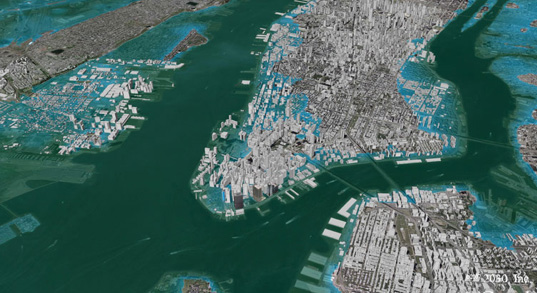
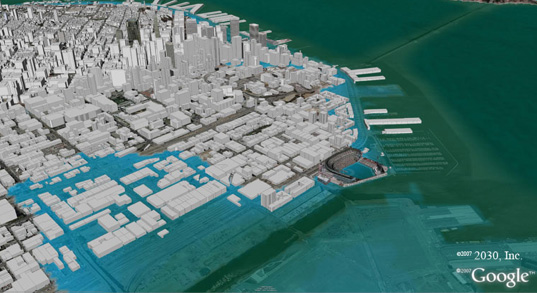
The report warns of “extinction,” “massive flooding,” “destruction of wetlands,” “rise of sea levels,” “intense cyclones,” “heat waves,” and “the slashing of crop yields” because of an expected increase in temperatures of 3.9 degrees (centigrade) that will occur if we do not make drastic changes.

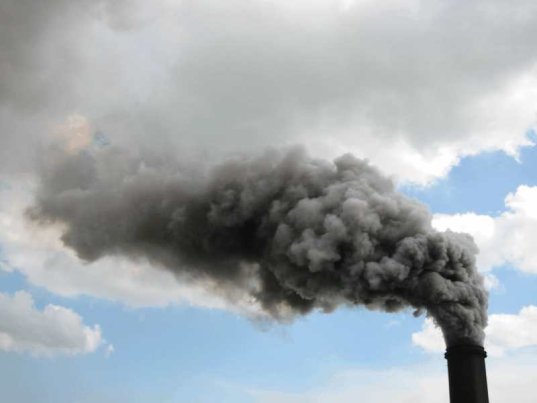
It also makes it clear that global warming is measurable and is occurring. It posits the blame squarely on man-made greenhouse-gas emissions (GHG), which have grown over 70% between 1970 and 2004, as it is now likely (scientific speak for “bet the house on it”) that GHG concentrations have a direct relationship with the increase in average temperature.
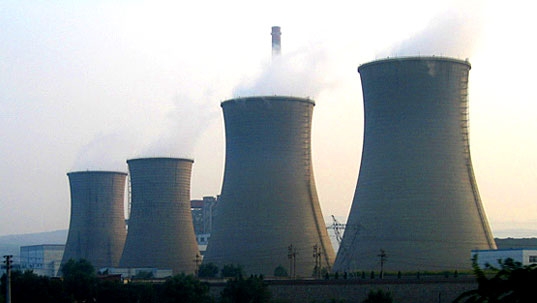
Finally, the report looks into the future. What will happen if we simply continue as we are now doing, with the planned sustainable development practices? In short, an expected increase in temperature will lead to catastrophic consequences such as the ones mentioned above.

The IPCC still believes that there is hope, thankfully, but not for long. Some of its recommendations include a dramatic increase in renewables, efforts in the increase of sustainable practices, a global effort to move away from GHG-producing practices, and an agreement of scope similar to that of Kyoto or better. And it tackles the issue of slowing down economic development to reduce carbon emissions, noting that if it were to be necessary, the impact is negligible (between a 1% gain to a 5.5% decrease), especially when compared to the economic cost of doing nothing.
All this effort would bring, at best, an increase of 2 degrees, which the IPCC believes would have serious consequences, but not catastrophic. To do this, the world would have to cut emissions, from year 2000 levels, by at least 50% in 2050.