


Start Slideshow


 AgematsuYuki Agematsu's miniature archives of <a href="http://inhabitat.com/artist-evol-tranforms-discarded-cardboard-boxes-into-intricate-portraits-of-urbanity/" target="_blank">discarded objects</a> look more like carefully curated displays than collections of New York City's garbage. Agematsu finds beauty in the grotesque as he transforms plastic bags into colorful sculptural pieces. The series forms Agematsu's most recent collection of works, which were a stand out show at this past weekend's NADA<a href="http://inhabitat.com/nyc/take-the-ferry-to-first-ever-frieze-new-york-art-fair-this-weekend/" target="_blank"> Art Fair</a>.1
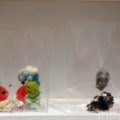 AgematsuOver the last 25 years, the Japanese born, New York based artist has been collecting tiny pieces of trash from the streets of New York City and <a href="http://inhabitat.com/liu-weis-chaotic-cities-are-made-of-stacks-upon-stacks-of-recycled-text-books/" target="_blank">recycling them into art work</a>.2
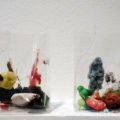 AgematsuA rainbow of hardened chewed gum, discarded razorblades, cigarette butts, bird skulls and hair are among the items the artist has harvested from the gutter and preserved in meticulous files.3
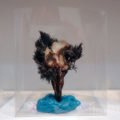 AgematsuEach item is then paired with another, in a <a href="http://inhabitat.com/evo-love-upcycles-vintage-junk-into-creepy-tableaus/" target="_blank">miniature tableau</a> by the artist.4
 AgematsuFusing colors, textures and shapes together, Agematsu gives the pieces of trash the museum treatment, by displaying them in pristine and sturdy clear plastic bags, which act almost like shadow boxes.5
 AgematsuSome of the tiny plastic bags resemble organic forms or fragments of plant life, some seem like <a href="http://inhabitat.com/nyc/kim-hollemans-terrarium-like-sculptures-challenge-environmental-issues/" target="_blank">miniature landscapes</a>, while others appear like trophies, highlighting one prized item such as a bird skull or razor blade.6
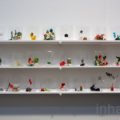
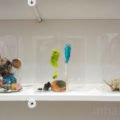 AgematsuThe forty or so plastic bags, packed with the small <a href="http://inhabitat.com/chris-gilmour-transforms-recycled-cardboard-into-life-size-sculptures-of-dentist-chairs-and-pianos/" target="_blank">recycled trash sculptures</a>, were organized in neat row upon rows on white shelves.7
 AgematsuEach garbage sculpture was partitioned in its own plastic bag, but the transparency created a cohesion, relating each glob of gum and hair to the next. The groupings of archives becoming a well organized collection of human habits- chewing gum, <a href="http://inhabitat.com/cornell-researchers-find-that-lycopene-and-grape-seed-extract-could-make-smoking-less-harmful/" target="_blank">smoking cigarettes</a>, and more obviously, littering.8
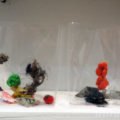 AgematsuFor the <a href="http://inhabitat.com/nyc/inhabitats-awesome-eco-art-picks-from-the-scope-new-york-art-fair/" target="_blank">art fair</a>, Agematsu’s pieces appeared as part of Real Fine Arts Gallery in Brooklyn. The fair coincided with the artist’s first gallery show in over 20 years.9


