


Start Slideshow


 Philly Gets a Bus Stop Green RoofThe city of Philadelphia just got a tiny bit greener with the addition of their first bus stop shelter <a href="http://inhabitat.com/?cat=435">green roof</a> on the corner of 15th and Market. The tiny overhead garden was planned, funded and planted by <a href="http://roofmeadow.wordpress.com/2011/06/30/phillys-first-bus-shelter-green-roof/">Roofmeadow</a> -- a Philadelphia-based green roof company -- that hopes to expand bus stop green roofs around the city as a part of the Philadelphia Water Department's (PWD) <a href="http://www.phillywatersheds.org/what_were_doing/documents_and_data/cso_long_term_control_plan">Green Cities Clean Waters</a> initiative.1
 Philly Gets a Bus Stop Green RoofThis first 60 square foot bus stop <a href="http://inhabitat.com/green-roof">green roof</a> was based off of Roofmeadow's idea to create a prefabricated kit that can be used to install a <a href="http://inhabitat.com/green-roof">green roof</a> on any standard bus shelter in Philadelphia and is meant to help promote PWD's efforts to raise awareness around urban storm water issues.2
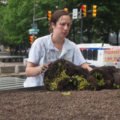 Philly Gets a Bus Stop Green RoofAny future replications of this first design will be paid for not by the city but by funds from advertising on the side of the bus shelter where the green roof has been installed. The green space has a standard depth of 3 inches and is planted with mostly pre-grown mats of Sedum -- a pretty standard succulent that once rooted, requires little care -- along with a few blooming Sweet Williams planted in corners of the roof where the depth reaches 6 inches.3
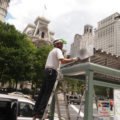 Philly Gets a Bus Stop Green RoofThe roof will need to be watered throughout its first year to help the plants take root but afterward will need little care to thrive. The roots of the plants will reach down into a lightweight moisture retention layer that will help keep the plants watered and cool during hot summer months.4
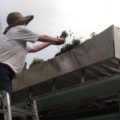 Philly Gets a Bus Stop Green RoofInstalling green roofs in <a href="http://inhabitat.com/?cat=22">urban areas</a> -- like Mayor Bloomberg is <a href="http://inhabitat.com/nyc-mayor-bloomberg-announces-green-roof-initiative/">planning to do</a> in <a href="http://inhabitat.com/nyc">New York City</a> -- can significantly help with storm water runoff issues that can cause extensive pollution when old city water systems aren't equipped to handle runoff caused by non-absorptive city surfaces -- like concrete, asphalt and rooftops.5
 Philly Gets a Bus Stop Green RoofAdding green spaces, especially green roofs, can help absorb that water and stop it from carrying pollution into local waterways and sewage systems.6
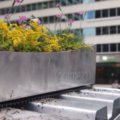 Philly Gets a Bus Stop Green RoofThough this tiny green roof at the corner of 15th and Market will only absorb a small amount of water, imagine the water retention possibilities if all of Philadelphia's 550 planned bus stops, with their powers combined, had green spaces overhead.7
