


Start Slideshow


 Woolly MammothIt has been <b>10,000 years</b> since woolly mammoths last roamed the earth, but if scientists in South Korea have their way the giant creatures could come back to life. Russian academics have signed a deal with Hwang Woo-Suk from South Korea's Sooam Biotech Research Foundation to attempt to clone an extinct mammoth. For the cloning, the Korean scientists will utilize bone marrow in well-preserved mammoth bones that were discovered last summer in the thawed permafrost of Siberia.1
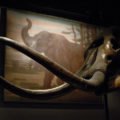 Wolly MammothIt has been <b>10,000 years</b> since woolly mammoths last roamed the earth, but if scientists in South Korea have their way the giant creatures could come back to life. Russian academics have signed a deal with Hwang Woo-Suk from South Korea's Sooam Biotech Research Foundation to attempt to clone an extinct mammoth. For the cloning, the Korean scientists will utilize bone marrow in well-preserved mammoth bones that were discovered last summer in the thawed permafrost of Siberia.2
