


Start Slideshow


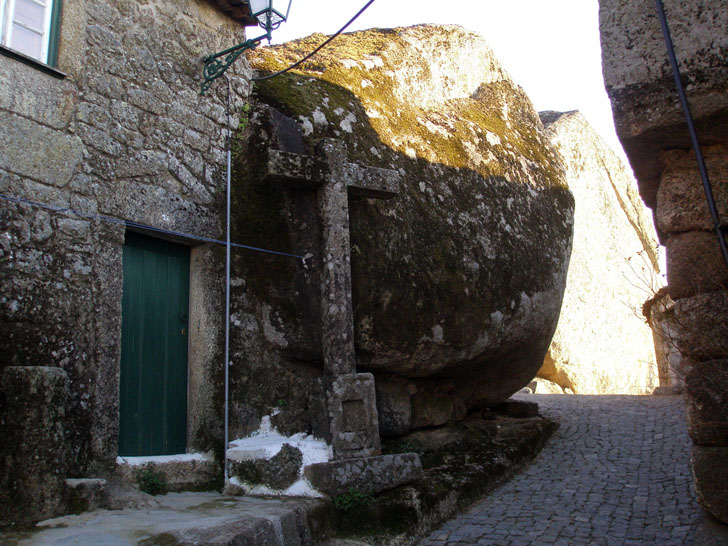
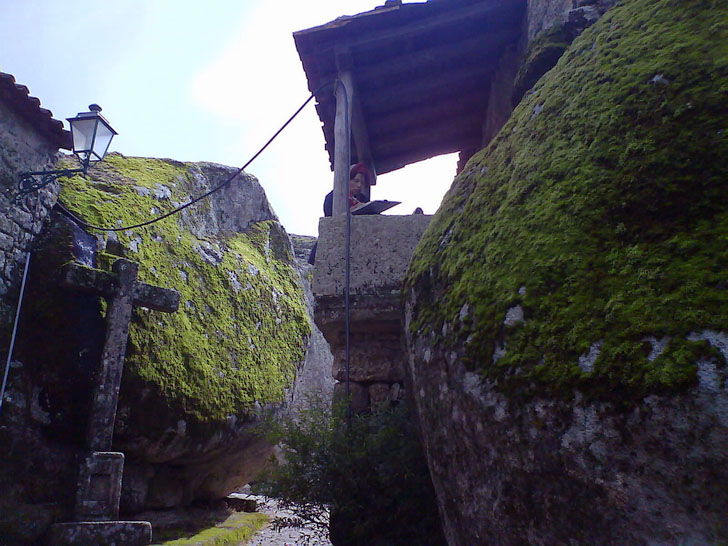


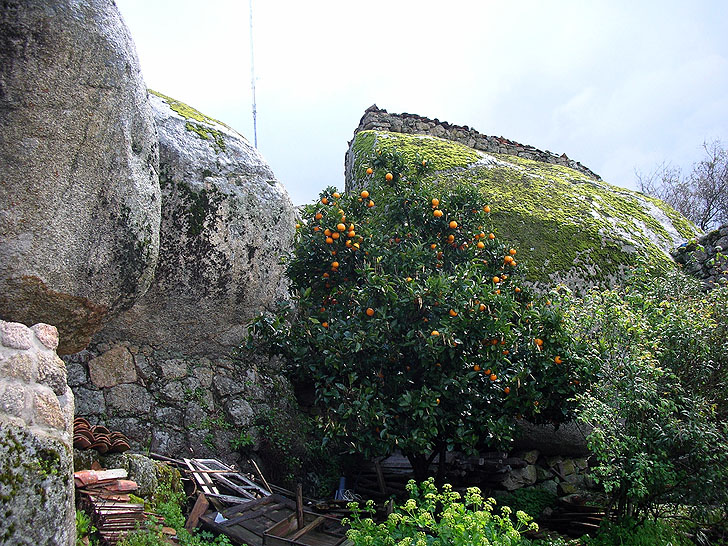
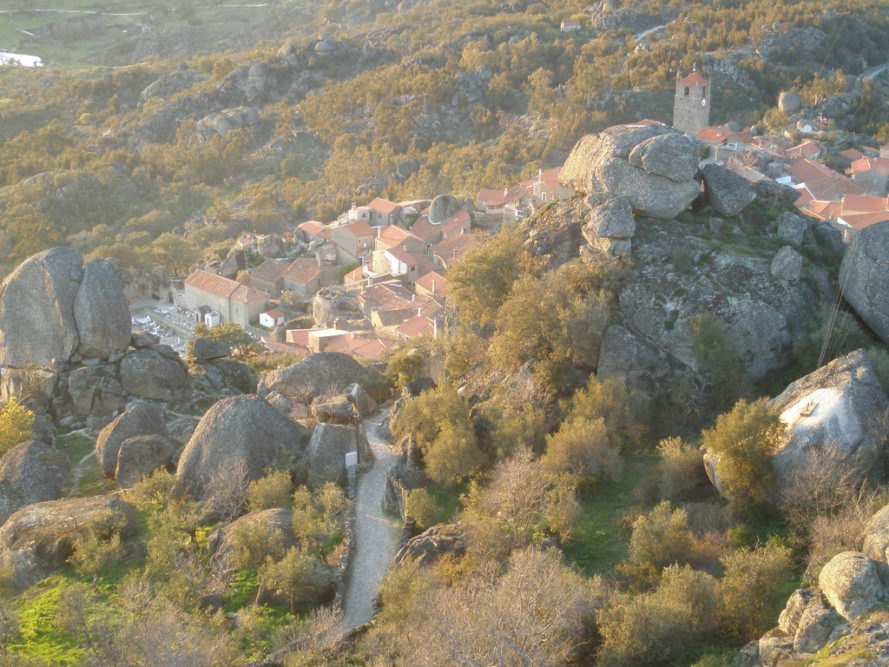
 Monsanto HouseNestled on the edge of the Spanish border in <a href="http://inhabitat.com/made-out-portugal-a-pop-up-gallery-in-the-back-of-a-truck-for-dmy-berlin/" target="_blank">Portugal</a> lies the ancient village of Monsanto—a town whose houses are nestled between, around, and on top of a crop of gigantic boulders! The picturesque town's homes and streets have been integrated into the landscape over the centuries, leaving many of the oversized <a href="http://inhabitat.com/100-wool-rock-pillows-are-as-soft-and-light-as-feathers/" target="_blank">rocks</a> intact.1
 Monsanto by Javier HabladorcitoMonsanto sits on the edge of a mountain not far from Serra da Estrela. The town <a href="http://inhabitat.com/greenpeace-uses-adorable-animals-to-encourage-painting-roofs-white/" target="_blank">overlooks the valley</a> below, affording sweeping views of the region from many vantage points.2
 Monsanto by Javier HabladorcitoThe ancient population carved dozens of narrow streets and passageways right through the center of the boulders. The passages lead the residents upwards and downwards over the rocks and through <a href="http://inhabitat.com/stunning-swiss-house-is-buried-under-the-earth/" target="_blank">the village</a>.3
 Monsanto HomeThe ancient peoples of Monsanto did not hack through the rocks to build their homes—instead, the granite houses were built to accommodate the <a href="http://inhabitat.com/the-pierre-a-breathtaking-hideaway-tucked-in-a-cluster-of-rock/" target="_blank">natural shapes of the boulders</a>. The residences squeeze and contort to the shape of the rocks.4
 Monsanto retinafunkSemicircular roofs cap <a href="http://inhabitat.com/swiss-mountain-retreat-peaks-out-from-stone-terraced-hillside/" target="_blank">curved stone huts</a>, stairways lead up and around the rock field, and entryways even open below boulders that are bigger than the houses that surround them.5
 Monsanto HousesIt's amazing to think that people have lived in houses nestled among these enormous boulders for thousands of years.6
 Monsanto peru, lili eta marijeThe historic village still looks as if it were plucked from the past. The region was first populated in the 6th Century BC by the Lusitanians as a walled settlement. Ruins from a Lusitanian <a href="http://inhabitat.com/medieval-italian-castle-transformed-into-modern-mountain-museum/" target="_blank">castle</a> from that era still stand in the town. Many of the homes still bear Manueline, or late <a href="http://inhabitat.com/casa-cabrela-is-a-spectacular-modern-structure-surrounding-beautiful-stone-ruins/" target="_blank">Portuguese </a>Gothic doorways (in the style of the infamous Tower of Belem in Lisbon) from the late 16<sup>th</sup> Century.7
 monsantoMonsanto is a beautiful, living example of how people have adapted to preserve the integrity of their environment for hundreds of years. <a href="http://inhabitat.com/medieval-italian-village-restored-to-a-self-sufficient-eco-community/" target="_blank">The village</a> shows that environmental respect is a time-honored tradition!8


