


Start Slideshow


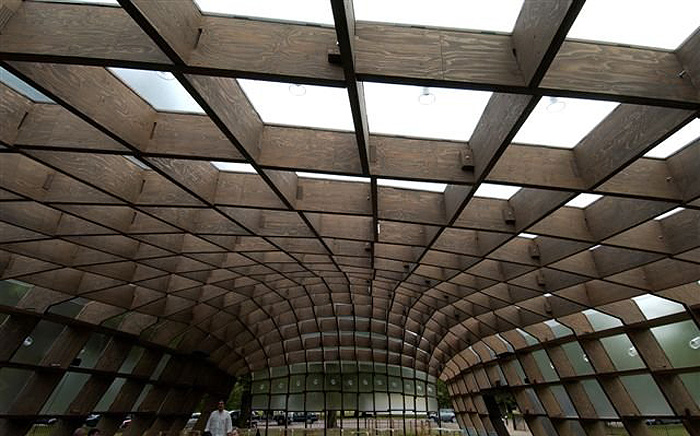
 Alvaro Siza Vieira Serpentine PavilionEach year London’s <a href="http://inhabitat.com/peter-zumthor-unveils-sheltered-garden-for-2011-serpentine-pavilion/" target="_blank">Serpentine Gallery</a> commissions the world's most innovative architects to design their central pavilion, which is always a beacon of modern design. In 2005 <a href="http://alvarosizavieira.com" target="_blank">Alvaro Siza Vieira</a>, Eduardo Souto de Moura and Ceil Balmond Arup teamed up to develop a <a href="http://inhabitat.com/solar-power">solar-powered</a> timber and metal pavilion that created a relationship between the gallery and the trees while providing a space for both public and private use.1
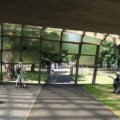
 Alvaro Siza Vieira Serpentine PavilionDuring the day, the open <a href="http://inhabitat.com/asensio_mahs-surface-deep-swells-across-quebecs-reford-garden/" target="_blank">structure</a> served as a comfortable café that offered light fare and coffee to visitors to the gallery and to Hyde Park.2
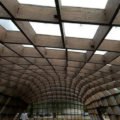
 Alvaro Siza Vieira Serpentine PavilionThe open plan of the timber “legs” allowed for natural ventilation through cross breezes that circulated the interior. The interior tables were designed by Siza. Visitors seated at the tables could see clear across the park through the timber legs. Affixed with traditional woodworking mortise and tenon joints, the <a href="http://inhabitat.com/japanese-students-build-a-pavilion-from-thousands-of-fish-to-support-tsunami-reconstruction-efforts/" target="_blank">pavilion</a> was kept secure with heavy bolts.3
 Alvaro Siza Vieira Serpentine PavilionThe timber and metal frame was filled out with panes of polycarbonate, which create a scale-like exterior. Jutting up in slightly asymmetrical patterns, the panels formed a shell-like structure.4
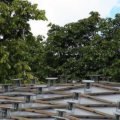 Alvaro Siza Vieira Serpentine PavilionThe roof of the <a href="http://inhabitat.com/shimmering-floating-pavilion-captivates-visitors-from-afar/" target="_blank">pavilion</a> undulates in a slight irregular curve that resembled an armadillo reaching up to meet the surrounding trees while standing on sturdy legs. Closer inspection reveals that the panels and timber legs are all different sizes -- this is what creates the fluid shape.5
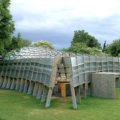 Alvaro Siza Vieira Serpentine PavilionPolycarbonate is a semi-opaque material that glows when sunlight hits it and casts tree shadows during the day. <a href="http://inhabitat.com/elithis-tower-the-first-energy-positive-office-building/" target="_blank">Solar panels</a> in the center of each roof panel soak up power, which is used to illuminate the pavilion at dusk.6
 Alvaro Siza Vieira Serpentine PavilionThe <a href="http://inhabitat.com/hexigloo-honeycomb-cardboard-pavilion-pops-up-in-bucharest/" target="_blank">pavilion</a> was designed in Portugal, engineered in England, and fabricated in Germany using Finnish technology, fusing diverse elements of European design into one project. The innovative multi-use temporary design is an inspiring example of architecture that rivals the Serpentine Gallery’s art exhibitions.7
