


Start Slideshow


 six designs that put poop to good usePoop happens. The birds do it, the cows do it - we all do it. But nowadays, instead of seeing it as <a href="http://inhabitat.com/new-public-urinal-planter-harnesses-the-power-of-pee-to-fertilize-plants/" target="_blank">waste</a>, researchers have been harnessing the <a href="http://inhabitat.com/?cat=86">power of poop</a> and converting the precious substance into energy, building materials and even back into food (talk about circle of life)! Read on to check out some of the most innovative ways that people are processing poo into pure power.1
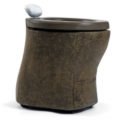 LooWattMany developing countries do not have toilets, or even proper <a href="http://inhabitat.com/bicycle-powered-latrine-pump/" target="_blank">sewage disposal systems</a>, which can lead to the spread of bacteria and water-born illnesses. With these issues in mind, designer Virginia Gardiner created a solution to both problems, called the <a href="http://inhabitat.com/toilet-made-from-poo-transforms-excrement-into-energy/" target="_blank">LooWatt</a>. The eco-commode is itself made from poop- molded from 90% horse dung, with a biodegradable lining. Aside from creating a sanitary place to sit and think, when the LooWatt is full, the <a href="http://inhabitat.com/orlando-turns-poop-into-profit-with-their-sewage-to-fuel-project/" target="_blank">waste can be turned into energy</a>, with the aid of a biodigestor, bringing sanitation and an energy source to underdeveloped countries. <p> <a href="http://inhabitat.com/toilet-made-from-poo-transforms-excrement-into-energy/" target="_blank">+ LooWatt</a>2
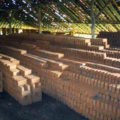 EcoFaeBrickBuilding off of poop’s molding capabilities, students at the Prasetiya Mulya Business School in Indonesia developed the <a href="http://inhabitat.com/one-brick-two-bricks-lets-use-poo-bricks/" target="_blank">EcoFaeBrick</a>, a lightweight brick made from cow patties. The <a href="http://inhabitat.com/ecovative-teams-up-with-ford-to-create-compostable-car-parts-from-mushrooms/" target="_blank">durable bricks </a>are 20% stringer AND lighter than clay bricks, and since the material is natural and not quarried, their usage would cut down on the environmental destruction that <a href="http://inhabitat.com/gorgeous-underground-museum-hidden-below-buenos-aires-government-house/" target="_blank">quarrying </a>creates. EcoFaeBricks create a solution for cow waste, while saving local environments, and providing local farms with a new revenue stream. <a href="http://inhabitat.com/one-brick-two-bricks-lets-use-poo-bricks/" target="_blank">+ EcoFaeBrick</a>3
 Park SparkA park near MIT in Cambridge, MA that has a popular dog run has become energy self-sufficient, thanks to a project by Matthew Mazzotta. Dubbed “P<a href="http://inhabitat.com/park-spark-public-park-converts-dog-poo-to-energy/" target="_blank">ark Spark</a>,” the project asks <a href="http://inhabitat.com/your-pet-dog-may-be-ingesting-high-levels-of-flame-retardants/" target="_blank">dog owners</a> to dump dog doo into Mazzota’s special digesters, rather than the trash. Funded by the city and the school, the large drums then convert the natural methane that is given off by the <a href="http://inhabitat.com/packaging-the-future-poo-paper-is-some-useful-shit/" target="_blank">poop</a> into energy, which powers the park’s street lamps at night. Park Spark also helps cut down on naturally emitted greenhouse gas. <p> <a href="http://inhabitat.com/park-spark-public-park-converts-dog-poo-to-energy/" target="_blank">+ Park Spark</a>4
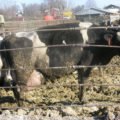 google poo power<a href="http://inhabitat.com/google-succeeds-in-making-driverless-cars-legal-in-nevada/" target="_blank">Big companies</a> are also recognizing the power of poop. <a href="http://inhabitat.com/google-hp-and-microsoft-consider-poo-to-power-data-centers/" target="_blank">Hewlett Packard, Microsoft and Google</a> have investigated partnering with American dairy farmers, to discuss the possibility of creating poop-powered data centers. The initial equipment investment may be what is holding them back, but the renewable power is great, with the average cow pooping enough power to light a 100 watt lightbulb. <p> <a href="http://inhabitat.com/google-hp-and-microsoft-consider-poo-to-power-data-centers/" target="_blank">+ Poo Power Data Centers</a5
 GENeco BioBugVolkswagen should also take note- Bristol, UK based waste treatment company, Geneco has converted a cute VW Bug into a <a href="http://inhabitat.com/report-reveals-america-now-receives-more-power-from-renewable-sources-than-nuclear/" target="_blank">bio-fuel</a> guzzling machine. Using the solid waste from 70 homes, the <a href="http://inhabitat.com/poo-powered-vw-bug-hits-british-streets/" target="_blank">Bio-Bug</a> could drive 10,000 miles a year with a fuel efficient of 5.3 miles per cubic meters f the bio-gas. The Bug can also run on traditional gasoline as well. The Bio-Bug, unlike other bio-fueled prototypes, runs more cleanly, with a comparative performance to petroleum based fuels. <a href="http://inhabitat.com/poo-powered-vw-bug-hits-british-streets/" target="_blank">+ Bio-Bug</a>6
 Mitsuyuki Ikeda shit burgerPoop fuel, poop toilets, poop bricks- how about poop meat? Scientist Mitsuyuki Ikeda at the Environmental Assessment Center in Okayama has developed what has been nicknamed the “<a href="http://inhabitat.com/poop-burger-japanese-researcher-creates-artificial-meat-from-human-feces/" target="_blank">poop burger</a>.” Created by extracting protein and lipids from “sewage mud” (human poop), the elements are whipped into “meat” in an exploder, then mixed with savory ingredients like soya and steak sauce. Meat eaters and vegetarians alike may recoil, but the faux meat was created with the goal of <a href="http://inhabitat.com/artificially-grown-lab-meat-could-reduce-emissions-by-96/" target="_blank">reducing carbon emissions </a>in mind, as the meatpacking industry contributes 18% of greenhouse gas world wide. <p> <a href="http://inhabitat.com/poop-burger-japanese-researcher-creates-artificial-meat-from-human-feces/" target="_blank">+ Poop Burger</a> And so poop happens, and thanks to researchers happens again and again into useful energy and products. Now that’s poop for thought.7

